Iran’s New Protests Explained | Interview with Kamran Matin
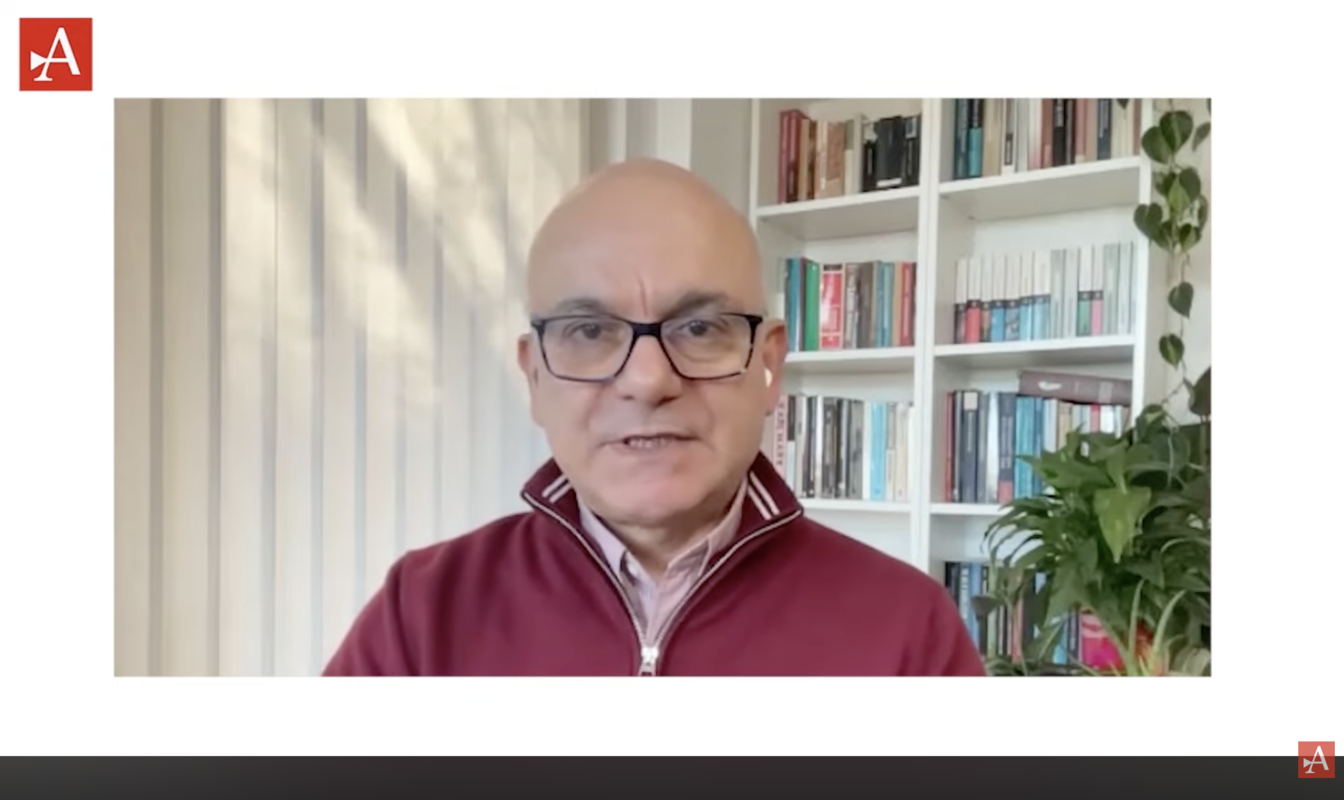
After years of economic decline, sanctions, and political repression, protests have once again spread across Iran. What began with demonstrations by bazaar merchants in Tehran over the collapse of the national currency has expanded into a broader wave of unrest across dozens of cities, with reports of deaths, arrests, and growing pressure on the state. In this in-depth interview, Mahtab Mahboub, contributor to The Amargi, speaks with Kamran Matin, Reader in International Relations at the University of Sussex, about the structural forces driving Iran’s latest protests. Drawing on Iran’s political economy, regional geopolitics, and the aftermath of recent military escalation, Matin argues that the current unrest is shaped not only by economic hardship but by a deeper crisis of legitimacy following intensified sanctions, the suspension of nuclear diplomacy, and the fallout from the June 12-day war. In this video, we explore:
- Why the protests began in Tehran’s bazaar, and what that signals about the regime’s social base
- How sanctions, inflation, and diplomatic deadlock have closed off prospects for economic relief
- The long-term role of foreign policy in sustaining the Islamic Republic’s internal legitimacy
- How the collapse of Iran’s regional power projection has weakened that strategy
- Comparisons between the current protests and earlier waves in 2017, 2019, and the Jin Jiyan Azadi movement
- The rise of monarchist narratives around Reza Pahlavi, and their limits inside Iran
- Whether cracks within Iran’s security apparatus resemble early dynamics of the 1979 revolution
About the guest: Kamran Matin is an Associate Professor of International Relations at the University of Sussex and the author of Recasting Iranian Modernity: International Relations and Social Change. He writes extensively on Iranian, Kurdish, and Middle Eastern politics, focusing on the intersection of domestic crises and international power structures.

The Amargi
Amargi Columnist