Claims of Abuse of Ukrainian Orphans in Turkey Go Unprosecuted
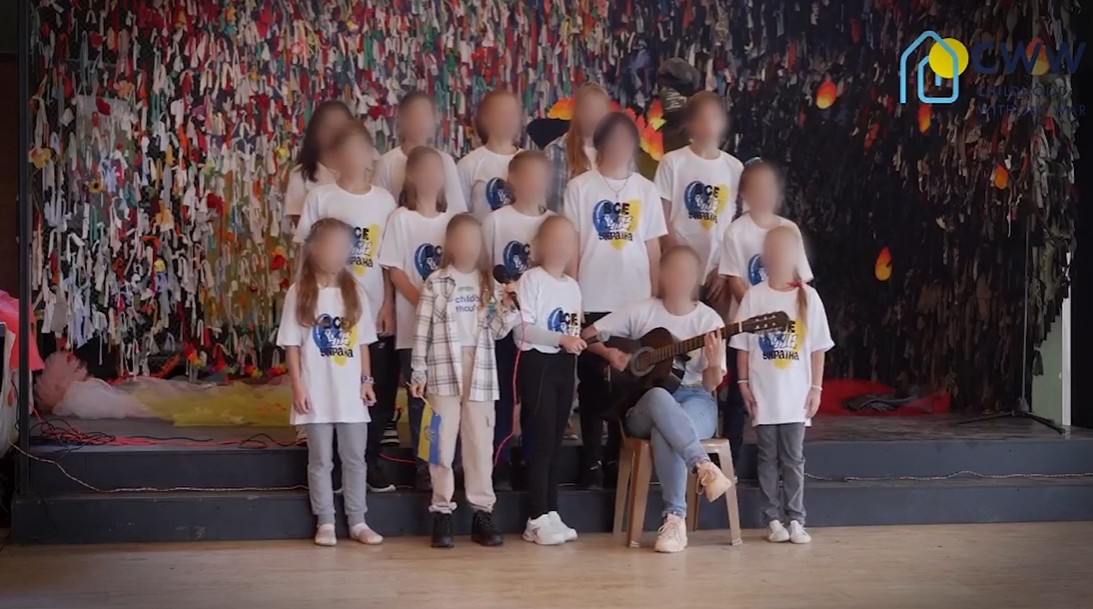
Social media post by the Shostak Foundation, showing an event from the “Childhood Without War” project
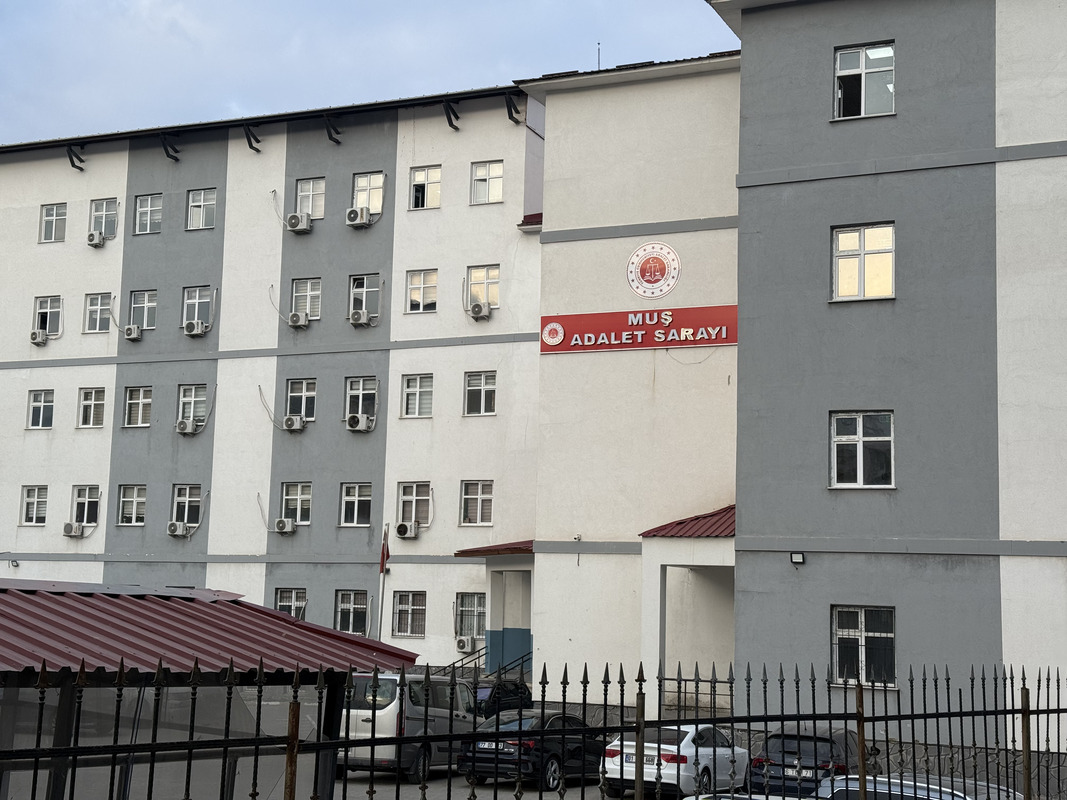
More than two years after hundreds of Ukrainian orphaned children were evacuated to Turkey to escape the war, Turkish authorities have closed an investigation into claims that at least two girls were sexually abused and became pregnant while under official care in Antalya.
On February 24, 2022, the Russia-Ukraine conflict entered a new phase as Russian forces launched a large-scale military operation inside Ukraine. According to United Nations figures, the war forced an estimated 6 to 7 million Ukrainians to flee the country within months. Among those displaced were thousands of children without parents or legal guardians, including children who had already been living in state care institutions before the war.
In March 2022, around 510 Ukrainian children were brought to Turkey under the “Childhood Without War” project run by the foundation of Ukrainian businessman and philanthropist Ruslan Shostak. The children were placed in hotels in Antalya’s Beldibi area. While the project operated with the knowledge and oversight of Turkey’s Ministry of Family and Social Services, day-to-day supervision was largely handled by Ukrainian staff and coordinators. The children remained in Turkey for nearly two years.
In March 2024, a delegation comprising representatives of the Ukrainian Parliament’s Human Rights Commissioner, the Dnipropetrovsk Regional Administration, Turkey’s Ombudsman Institution, and UNICEF conducted inspections at the hotels. Children interviewed during these visits reported inadequate access to food and water, poor hygiene, overcrowded or unsuitable living conditions, and psychological pressure and intimidation. The monitoring findings also included allegations of physical punishment, such as children being beaten with phone charging cables. Some children said they were forced to appear in fundraising and promotional videos – sometimes despite explicitly objecting – while their images were shared on the foundation’s social media accounts. Others reported being pressured to work or assist staff. Inspectors noted that the children appeared frightened and reluctant to speak freely in the presence of caregivers.
The official report from the March 2024 inspection was never published and remains unavailable to the public. Its findings, however, became known through investigative reporting by OCCRP and Slidstvo.Info. Turkish and Ukrainian media subsequently confirmed these findings through independent sources and additional testimonies. From this point on, the case drew widespread public attention and international scrutiny.
A documentary released on November 28, 2025, brought international attention to allegations of sexual abuse involving Ukrainian children housed in hotels in Antalya.
OCCRP (the Organized Crime and Corruption Reporting Project) is a Europe-based global investigative journalism network that focuses on cross-border organized crime, corruption, and state-linked abuses, and has received numerous international awards, including the Pulitzer Prize. Slidstvo.Info is an independent, Ukraine-based investigative outlet that works closely with OCCRP and specializes in reporting on corruption, human rights violations, and crimes linked to the war.
Allegations of Sexual Abuse
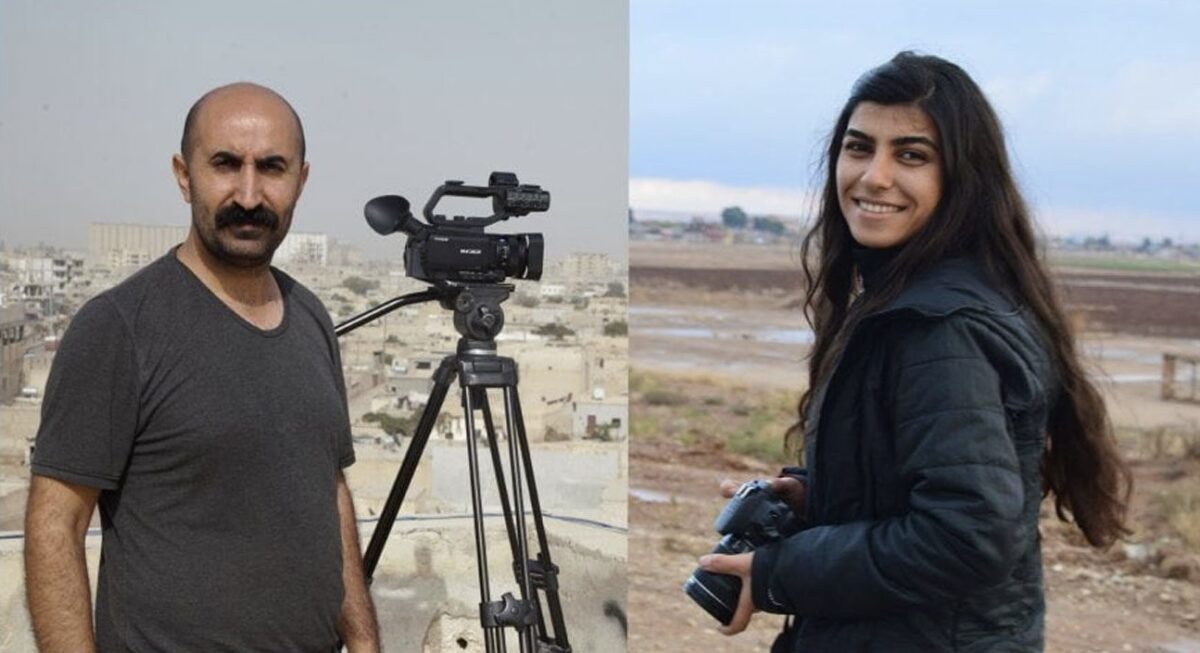
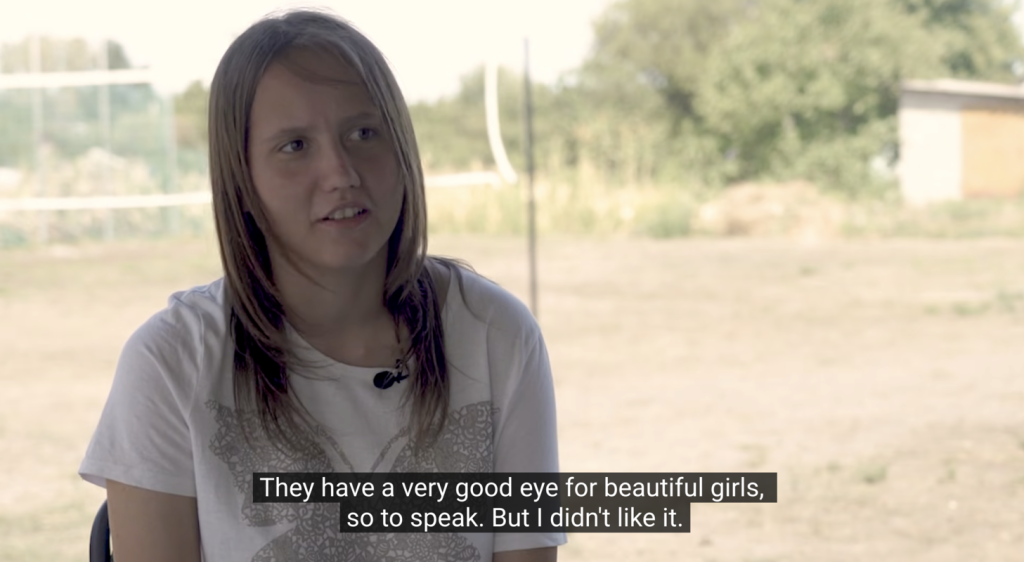
A documentary released on November 28, 2025, brought international attention to allegations of sexual abuse involving Ukrainian children housed in hotels in Antalya. The film was published on the official YouTube channel of Slidstvo.Info and forms part of a broader investigation conducted by journalists Yanina Korniyenko and Anna Babinets in collaboration with OCCRP.
The documentary details allegations that at least two male hotel employees sexually abused two underage girls staying at the hotel, resulting in pregnancies. Drawing on victim testimonies, medical records, and witness accounts, the film shows that rather than reporting the incidents to authorities, foundation managers and other responsible figures allegedly attempted to contain the situation quietly. According to the findings, one of the girls was asked to sign a document stating that the sexual relationship had been “consensual.” After the pregnancies came to light, both girls were removed from the project and sent back to Ukraine. The documentary further reveals that after the girls gave birth in Ukraine, the two alleged perpetrators traveled there and lived with them for a period, during which economic and psychological abuse reportedly continued.
Following these revelations, criminal proceedings were initiated in both Ukraine and Turkey. In Ukraine, the criminal investigation was closed in June 2025 on the grounds of “insufficient evidence.”
In Turkey, the Antalya Chief Public Prosecutor’s Office issued a public statement on December 4, 2025, rejecting claims that all allegations had been “closed.” The statement, however, referred to a separate investigation involving a 17-year-old Ukrainian girl and two juvenile suspects, for which an indictment has been filed, and proceedings are ongoing before the Antalya Juvenile High Criminal Court. The statement did not address the allegations documented in the investigation concerning two underage victims and adult hotel employees, creating uncertainty as to whether these cases were evaluated separately, dismissed, or never formally merged into the same criminal file.
According to Turkish media reports citing the prosecutor’s non-prosecution decision in the main investigation concerning the two girls, the office argued that the victims had already turned 15 at the time of the incidents and that the sexual acts could therefore be assessed within the framework of “consent,” leading to a decision of non-prosecution.
the debate did not remain limited to the closure of the investigation; the legal reasoning underpinning the decision itself became the central focus of criticism
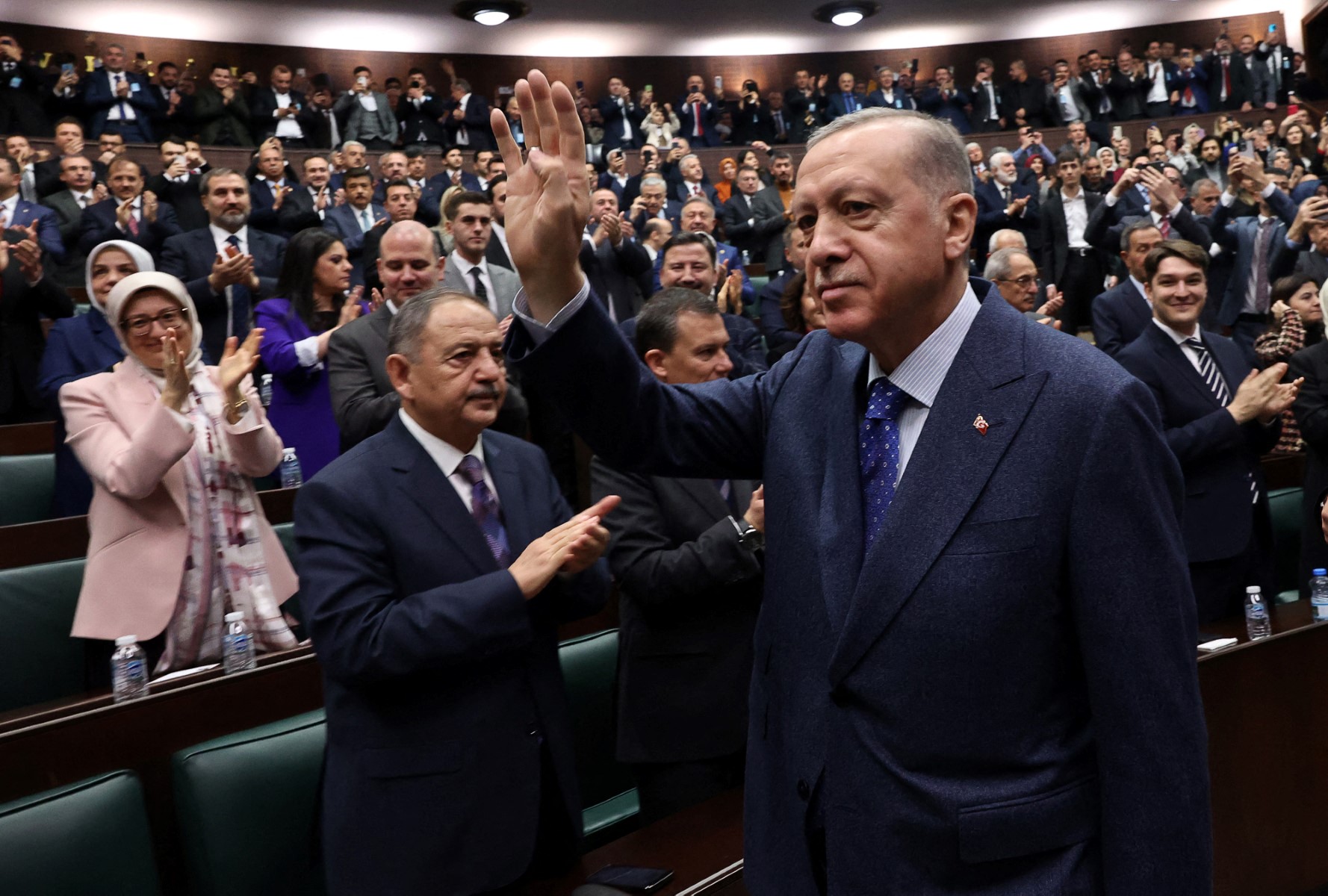
After Agos helped bring the case to public attention in Turkey together with her Ukrainian colleagues who produced the documentary, Turkey’s Presidential Directorate of Communications’ Disinformation Combat Center issued a statement on December 16, 2025, describing the allegations as “disinformation.” The statement argued that the children’s daily care had been carried out by Ukrainian staff and that Turkey had provided only coordination and infrastructure support. It also stated that the Ministry of Family and Social Services became aware of the allegations only after the children returned to Ukraine and immediately filed a criminal complaint despite the absence of formal notification. The statement, however, did not provide any information about the outcome of that complaint.
Information that emerged later about the investigation suggests serious deficiencies in both procedure and substance. According to journalists and experts familiar with the case, the victimized children were never formally interviewed at any stage of the process. Medical records related to the pregnancies and births were not central to the criminal investigation. Nor were the risks of sexual abuse and findings of neglect identified during the March 2024 inspection reflected in the prosecutor’s decision.
Legal experts emphasize that from the moment the Ukrainian children entered Turkey, they were legally classified as “unaccompanied children,” a status that places full responsibility directly on the Turkish state.
At this stage, the debate did not remain limited to the closure of the investigation; the legal reasoning underpinning the decision itself became the central focus of criticism. Under Article 103 of the Turkish Penal Code, sexual abuse of a child is a public offense and is not subject to a complaint by the victim. Any sexual act committed against a child under the age of 15 constitutes a crime regardless of consent; legally, consent is invalid. Where the offense is committed in a setting where the child is under care or supervision, or through the abuse of a service relationship or authority, the penalty is increased. For this reason, prosecutors are obliged to initiate an investigation ex officio and to collect evidence even in the absence of a formal complaint. Outcomes such as pregnancy constitute strong, objective material evidence that a crime has occurred; closing a case without taking the victim’s testimony, therefore, raises serious legal concerns.
Legal experts emphasize that from the moment the Ukrainian children entered Turkey, they were legally classified as “unaccompanied children,” a status that places full responsibility directly on the Turkish state. Under the UN Convention on the Rights of the Child, to which Turkey is a party, its additional protocols, and Turkey’s Child Protection Law No. 5395, the care, accommodation, and protection of these children constitute a non-delegable obligation of public authorities.
Following the release of the documentary and the public disclosure of the prosecutor’s decision, several opposition lawmakers, including main opposition CHP Bartın MP Aysu Bankoğlu and pro-Kurdish DEM Party Istanbul MP Özgül Saki, submitted written parliamentary questions to the Ministry of Family and Social Services and the Ministry of Justice. The motions asked why the victims’ testimonies were never taken, why inspection findings were not reflected in the prosecutor’s decision, and whether Turkey had fulfilled its obligations under international child protection conventions to which it is a signatory.
As of now, no responses have been issued to these parliamentary questions.

Serap Gunes
Serap Güneş is a freelance translator and writer based in Istanbul. She holds a PhD in International Relations and European Politics from Masaryk University, where her research focused on minority rights and EU–Turkey relations. Her work has appeared in both academic journals and independent media outlets.