Damascus Declares Aleppo’s Kurdish Neighborhoods a Military Zone
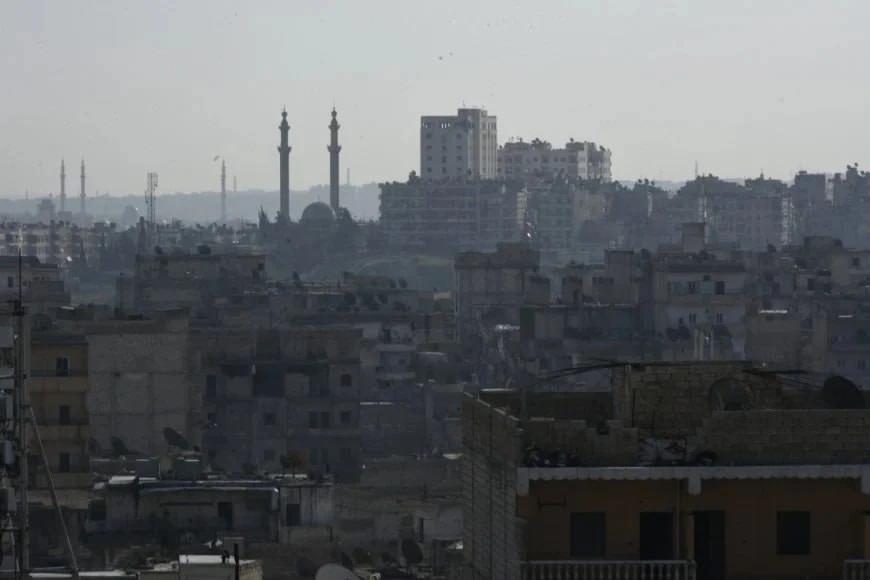
The Sheikh Maqsoud and Ashrafieh neighborhoods in Aleppo | Picture Credits: ANHA News Agency
ALEPPO, Syria — At least seven civilians were reportedly killed, and 52 more were wounded in two days of intense fighting in Aleppo’s Kurdish-majority neighborhoods. A political Kurdish source on the ground told The Amargi that Syria’s transitional government rejected negotiations with Kurdish-led Autonomous Administration (DAANES) and declared the Syrian Democratic Forces (SDF) “legitimate military targets,” which DAANES Foreign Relations Co-chair Elham Ahmed characterized as a signal for “war of extermination.”
On January 6, armed factions affiliated with Damascus launched a major assault on the Kurdish neighborhoods of Sheikh Maqsoud, Ashrafieh, and Bani Zaid, deploying suicide drones, tanks, heavy artillery, and Grad rocket launchers against areas housing over 500,000 residents, civilians told The Amargi from Aleppo. As a result, so far seven have been killed, and another 52 are wounded – including two women and one child.
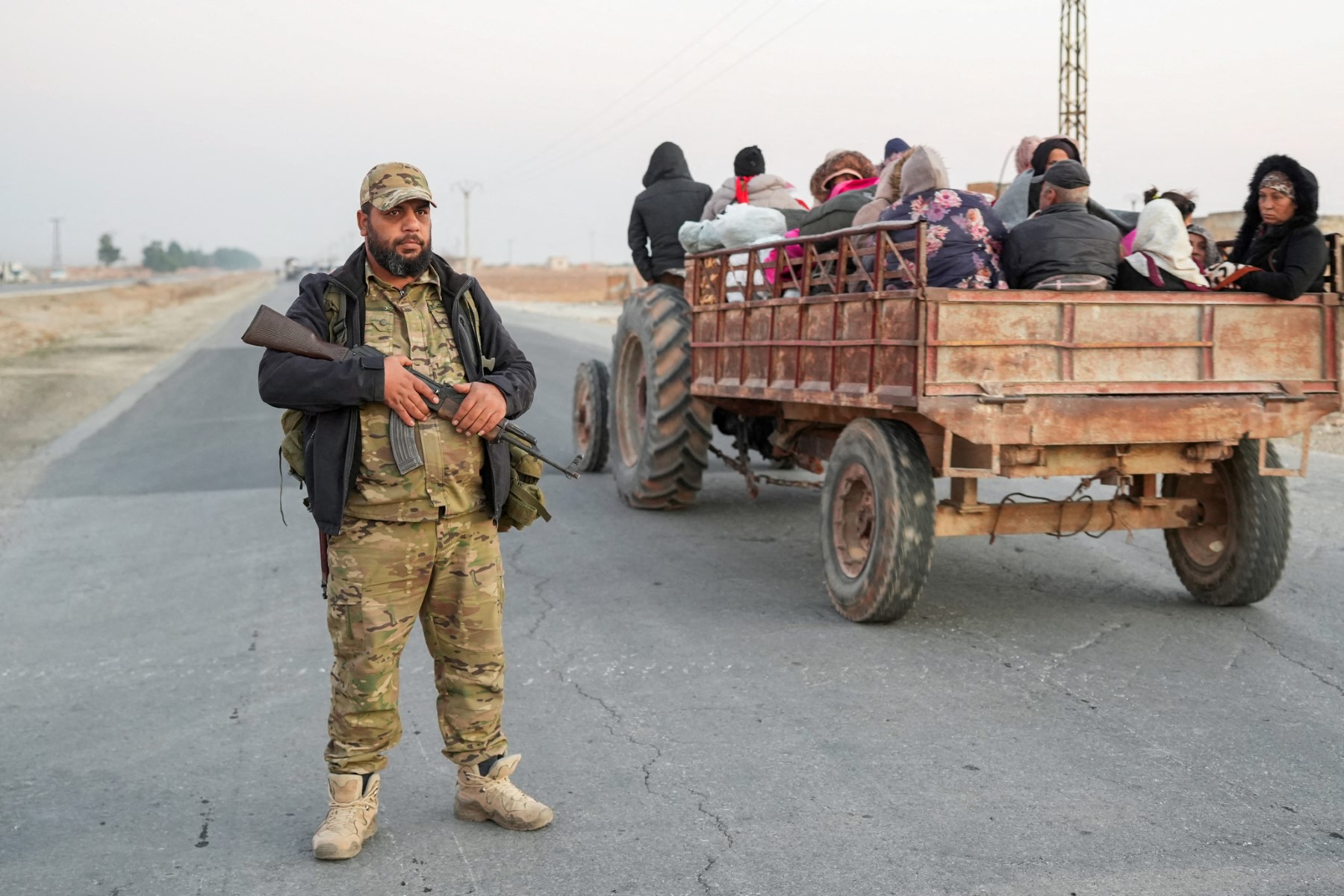
As SDF–Syrian government talks have stalled, the Syrian Army and Turkish-backed forces have escalated attacks in Aleppo, where the SDF are surrounded. Kurdish forces that are stationed there are largely internal security Asayish units, after the SDF withdrew last April under the ceasefire agreement.
The Afrin Human Rights Organization reported that approximately 130 homes have been partially destroyed, and Osman Hospital in Ashrafieh has been forced out of service after being targeted. The high casualty toll has overwhelmed medical facilities that are already struggling with limited supplies.
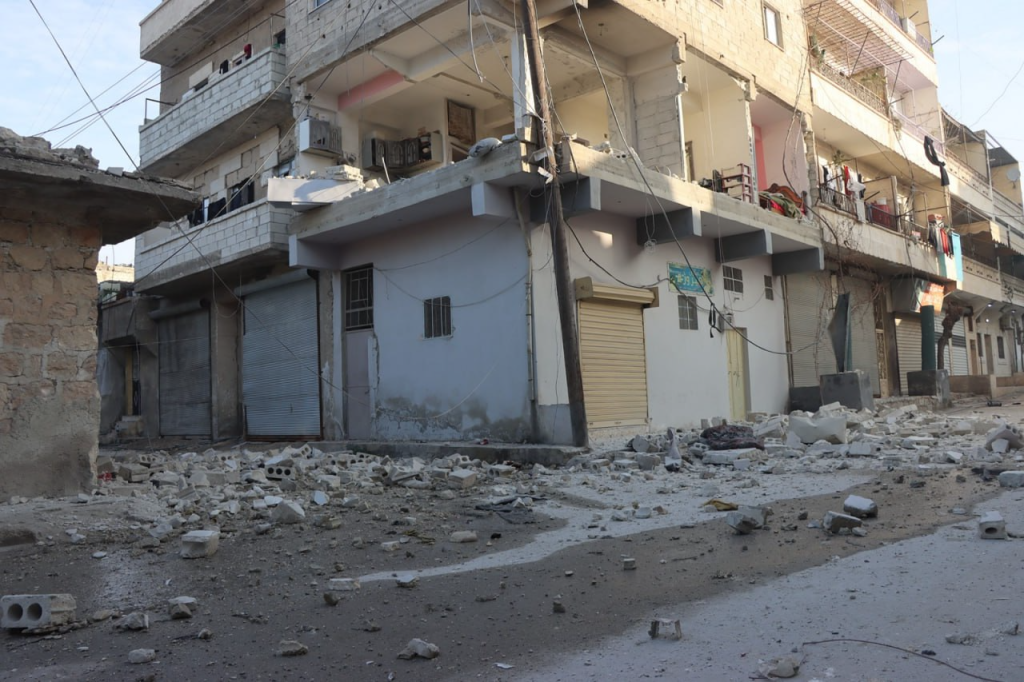
So far, local Asayish units have repelled infiltration attempts by government-affiliated factions, with intermittent clashes involving heavy weapons continuing through the night around Sheikh Maqsoud and the al-Suryan area.
Syrian Defense Ministry Declares Neighborhoods Combat Zones
On Wednesday, the Syrian Ministry of Defense declared that all Syrian Democratic Forces (SDF) military positions in Sheikh Maqsoud and Ashrafiyeh are “legitimate military targets,” claiming that the SDF have caused a “major escalation.” SDF states they remain committed to the ceasefire agreement and deny any escalation from their side.
The ministry urged civilians to immediately distance themselves from SDF positions. The statement also announced the opening of two “safe humanitarian corridors”: the al-Awarid crossing and the al-Zohour Street crossing. The corridors will be open until 3:00 p.m. on January 7.
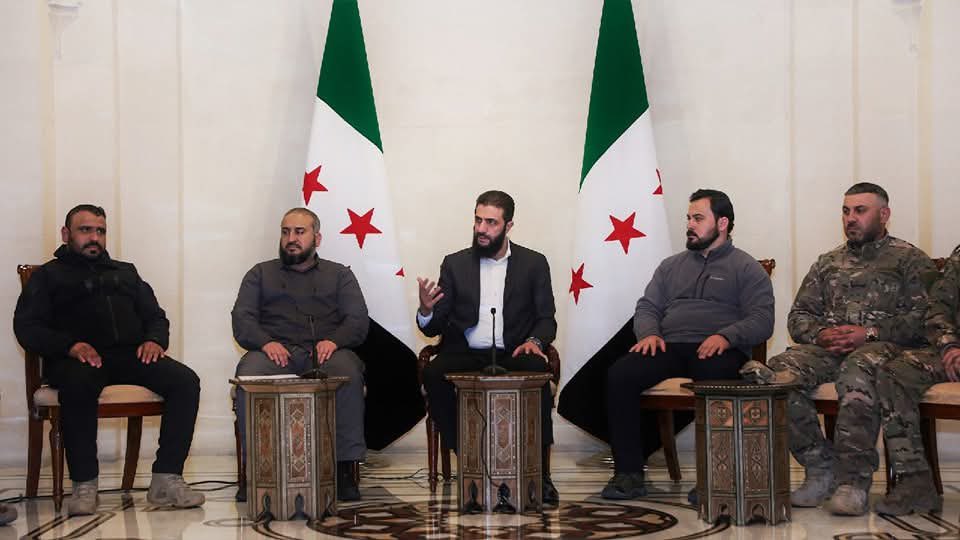
The announcement drew immediate condemnation from Elham Ahmed, Co-Chair of the Foreign Relations Department of the Autonomous Administration of North and East Syria (DAANES).
“The Ministry of Defense has declared war on densely populated civilian neighborhoods, announcing a war of extermination against the Kurds, who have already suffered at the hands of the former regime,” she posted on her X account. She emphasized that most residents are forcibly displaced people from Afrin who are now facing a military siege and targeting.
Ahmed reiterated the Kurds’ commitment to the ceasefire agreement between SDF and the transitional Syrian government in Damascus: “Despite the Kurds’ commitment to the April 1 agreement, the other party has not adhered to it. Despite our intensive efforts to communicate and initiate talks, the Ministry of Defense refuses dialogue.”
Sanctioned Commanders Lead Assault
The offensive is led by three divisions comprising former Hay’at Tahrir al-Sham (HTS) fighters and Turkish-backed factions. Abu Qutaiba al-Manbiji, a prominent HTS commander, commands the 60th Division, while the 72nd Division comprises fighters from various Turkish-backed factions, including the Sultan Murad Brigade, which is mainly composed of Syrian Turkmen and is now led by Fahim Issa. Issa was appointed Deputy Minister of Defense for Syria’s Northern Region.
The 76th Division, commanded by Saif al-Din Boulad (Abu Bakr), consists of the reflagged Hamza Division. The Hamza and Sultan Murad divisions both tacitly support neo-Ottomanist and pan-Turkist ideologies. They face sanctions from the United States, the European Union, and the United Kingdom for serious violations, including torture, arbitrary detentions, enforced disappearances, and targeted violence against civilians.
Ceasefire Collapses as Talks Are Rejected
This development signals a significant breakdown of the April 1 agreement, which had established a ceasefire and security framework for the neighborhoods. Per the agreement, the SDF withdrew military units and transferred security to local Asayish units, recognizing the areas’ distinct administrative status.
A critical component of the agreement was a planned meeting between a delegation of the transitional government and DAANES to resolve the current crisis. However, a source within the DAANES told The Amargi that Damascus rejected the meeting, despite ongoing negotiations over military integration.
The Syrian Democratic Council condemned the offensive, stating that it violates laws for the protection of civilians and is “contrary to the spirit of the ceasefire agreement.” The council holds the transitional government responsible for controlling affiliated militias.
Humanitarian Crisis Worsens Under Siege
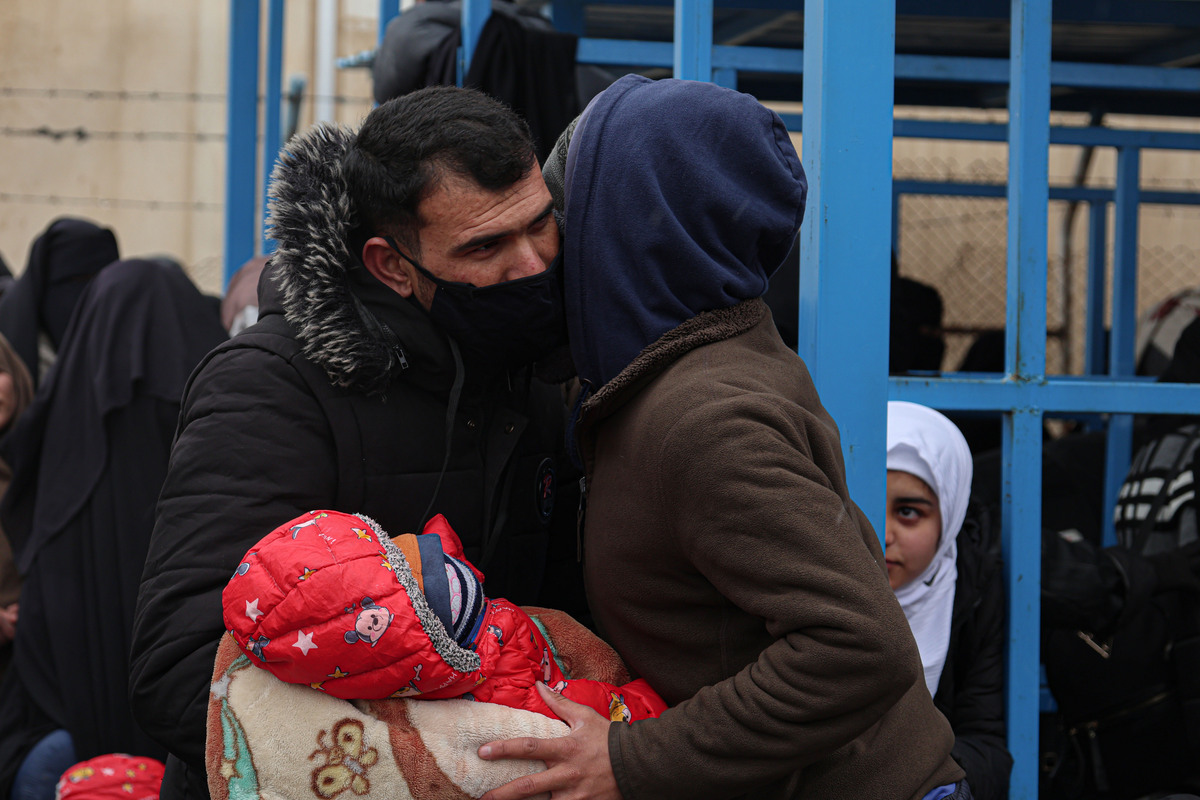
The violence exacerbates an already dire humanitarian situation. Since December 23, 2025, the transitional government has imposed a total siege, cutting off electricity and blocking fuel deliveries entirely. Residents rely on power generators that run for just two hours daily. Schools are closed due to a lack of fuel for heating, leaving students in freezing temperatures.
Of the seven roads leading to the area, only one remained open under strict Ministry of Defense checkpoints, where government personnel would inspect phones and food supplies and impose extortionate fees for transportation of larger quantities.
During a January 4 meeting in Damascus, SDF General Commander Mazloum Abdi requested Defense Minister Marhaf Abu Qasra to allow fuel tankers to enter the Kurdish areas. Abu Qasra refused, claiming the fuel would be used for SDF military vehicles and confirming the siege would continue.
Call for De-Escalation
Elham Ahmed appealed to the Transitional Government officials to pursue a peaceful resolution. “We call on government officials to take responsibility and resolve problems through dialogue.”
She also addressed Syrian society at large, saying, “We call on Syrians and Syrian youth to stay away from these paths. We call on them to raise the voice of truth and reject war. Syrians have suffered enough from wars.”

Justus Johannsen
Justus Johannsen is a German journalist and a member of the editorial board of The Amargi. His work focuses on the Middle East, with a particular interest in Syria, Rojava, and Turkey — regions he has followed closely for several years.