Kurds in Turkey March to Rojava
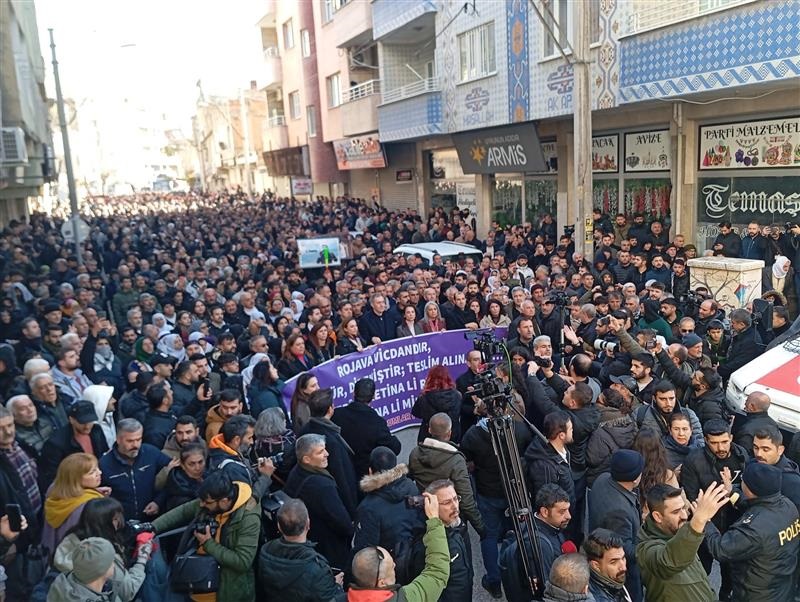
Turkey’s pro-Kurdish Peoples’ Equality and Democracy (DEM) Party holds its weekly parliamentary group meeting today not in Ankara’s Grand National Assembly, but in Nisêbîn (Nusaybin), a Kurdish-majority town along the Syrian border.
The decision comes as the Syrian interim government has intensified its attacks on Rojava, Kurdish regions in northern and eastern Syria, particularly in Hasakah and Kobani.
Kurdish authorities in Rojava are calling on the international community and all Kurds to take action. Rohilat Efrin, the General Commander of the Women’s Protection Units (YPJ), called for national unity
Although a ceasefire agreement was announced, the Syrian government has continued its military attacks aimed at eliminating the autonomous administration altogether. In this context, the DEM Party’s move is a show of solidarity with Kurds in Syria.
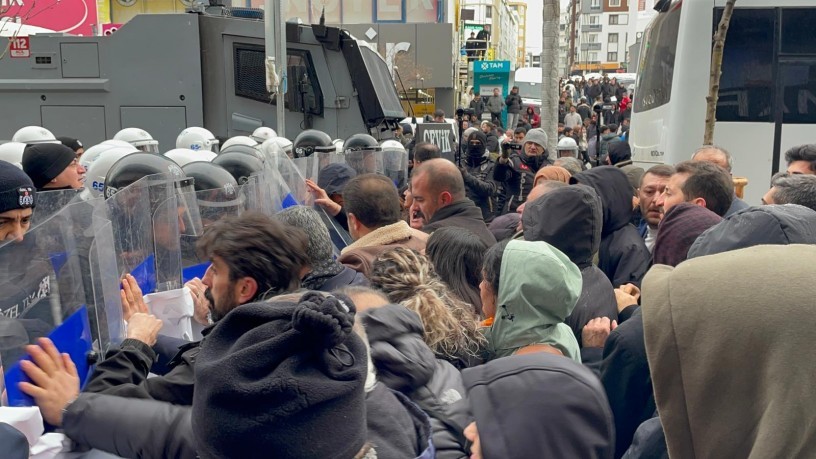
Kurds in Turkey have been protesting since yesterday, January 19, and there have also been reports of attempts to cross the border to support their fellow Kurds in Rojava.
In the face of military attacks by Syrian interim government forces, Kurdish authorities in Rojava are calling on the international community and all Kurds to take action. Rohilat Efrin, the General Commander of the Women’s Protection Units (YPJ), called for national unity, saying:
“Now more than ever, we need national unity. We stand with our people. Whether in death or in life, we will be with our people. If we show this determination, victory will be ours.”
Alongside Rohilat Efrin, other Rojava Kurdish leaders, including Foza Yusif, a member of the Presidential Council of Syria’s Democratic Union Party (PYD), are renewing their appeals to the international community, which they accuse of turning its back on them, while also calling on Kurds everywhere for solidarity and support.
The DEM Party’s decision to move its group meeting to Nisêbîn, a town neighboring Qamishlo – seen as Rojava’s political, cultural, and administrative capital – appears to be a response from Bakur (north Kurdistan) to those calls.
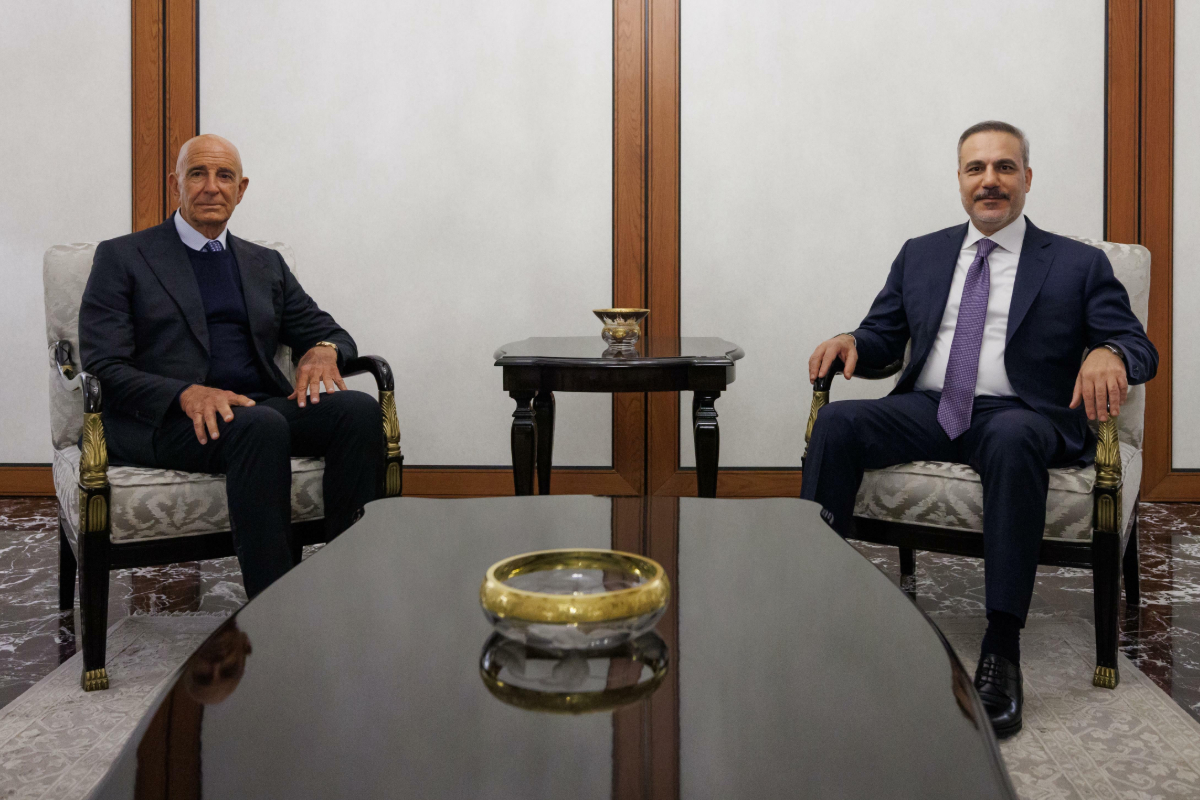
As the DEM Party marched toward the Nisêbîn border crossing, other developments continued to unfold. U.S. President Donald Trump is reported to have held a phone call with Ahmed al-Sharaa that included a discussion of Kurdish rights, while US special envoy Tom Barrack is reported to be in Ankara meeting with Turkish Foreign Minister Hakan Fidan.
Following the march to the Nisêbîn-Qamishlo border crossing, DEM Party co-chairs Tülay Hatimoğulları and Tuncer Bakırhan delivered statements standing meters away from the Syrian border. Speaking against the backdrop of ongoing attacks against Rojava, Hatimoğulları accused the Syrian interim administration led by Ahmed al-Sharaa of overturning previous agreements and launching what she described as a campaign of massacres against Kurdish civilians in Aleppo and other areas. She rejected claims circulating in pro-government Turkish media that the Rojava administration had violated the March 10 agreement, instead placing responsibility on al-Sharaa, his forces, and the international powers backing them.
Hatimoğulları also criticized Ankara’s Syria policy, accusing the government of talking about peace at home while enabling war across the border, and condemned official rhetoric describing the operations as “cleansing.” She warned of what she called an international conspiracy against Rojava and said there could be no peace in Turkey while Kurds were being killed in Syria.
She also addressed the government’s accusation that Syrian Kurds are “proxies of Israel”. She noted that attacks against Kurds began immediately after the January 6 Paris agreement between Israel and Damascus, suggesting instead that international state actors, including the US, Israel and Turkey, are now aligned with the forces attacking Rojava.
Following Hatimoğulları, co-chair Tuncer Bakırhan pledged joint resistance alongside democratic forces in Turkey and “Muslim brothers and sisters,” sending a message of unity to Qamishlo and urging Kurdish mothers not to worry, stating, “We are strong, we are determined, and we will win.”
During the press conference, police intervened intermittently; however, the speakers continued their statements despite these interruptions, accompanied by chants of “Long live the Rojava resistance.”
Following the press conference, hundreds of people pushed past police barricades and crossed into Qamishlo, responding to calls for solidarity and joining the wider mobilization in support of Rojava to actively take part in the resistance efforts.
Stay up to date on The Amargi’s social media platforms and website.

Serap Gunes
Serap Güneş is a freelance translator and writer based in Istanbul. She holds a PhD in International Relations and European Politics from Masaryk University, where her research focused on minority rights and EU–Turkey relations. Her work has appeared in both academic journals and independent media outlets.