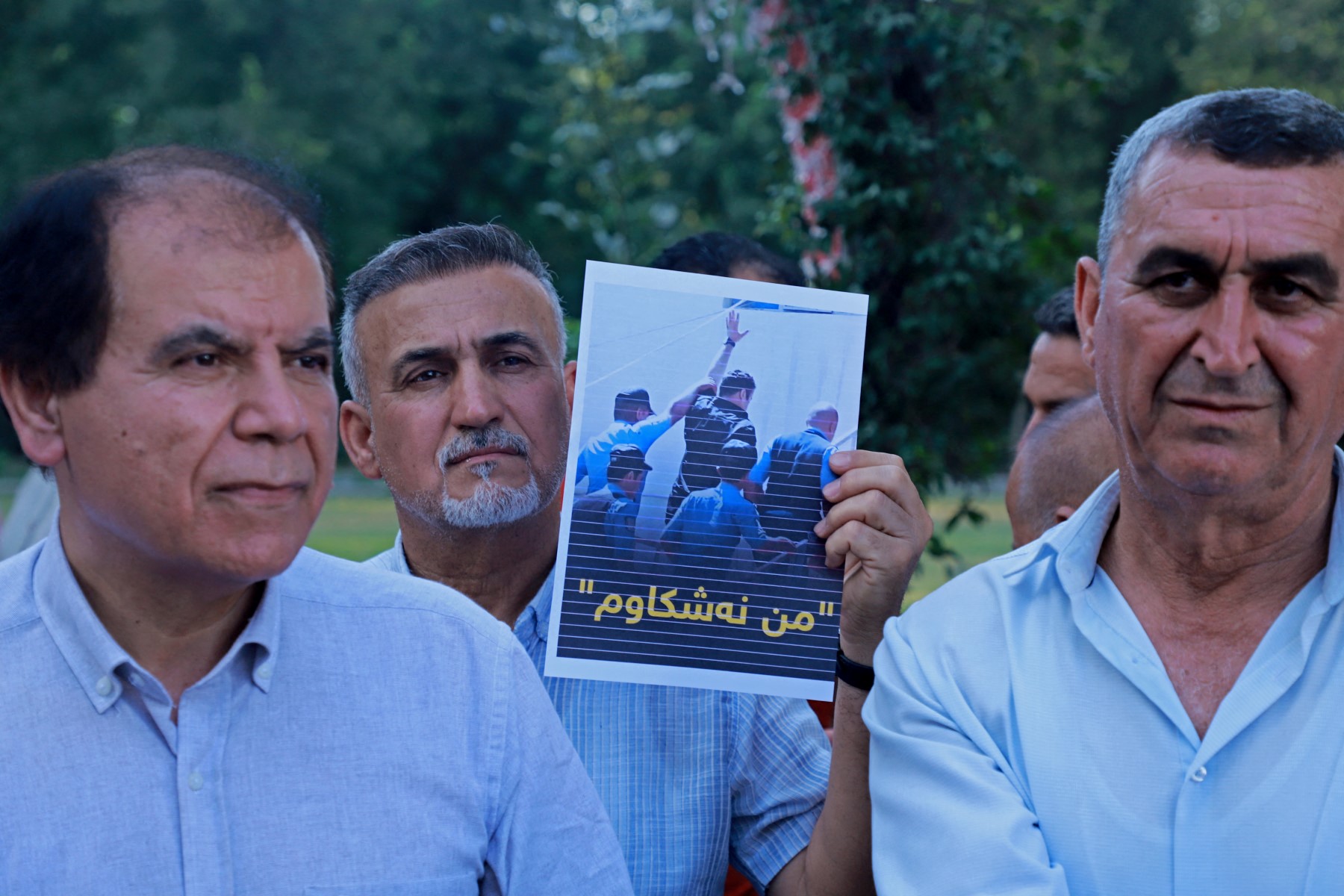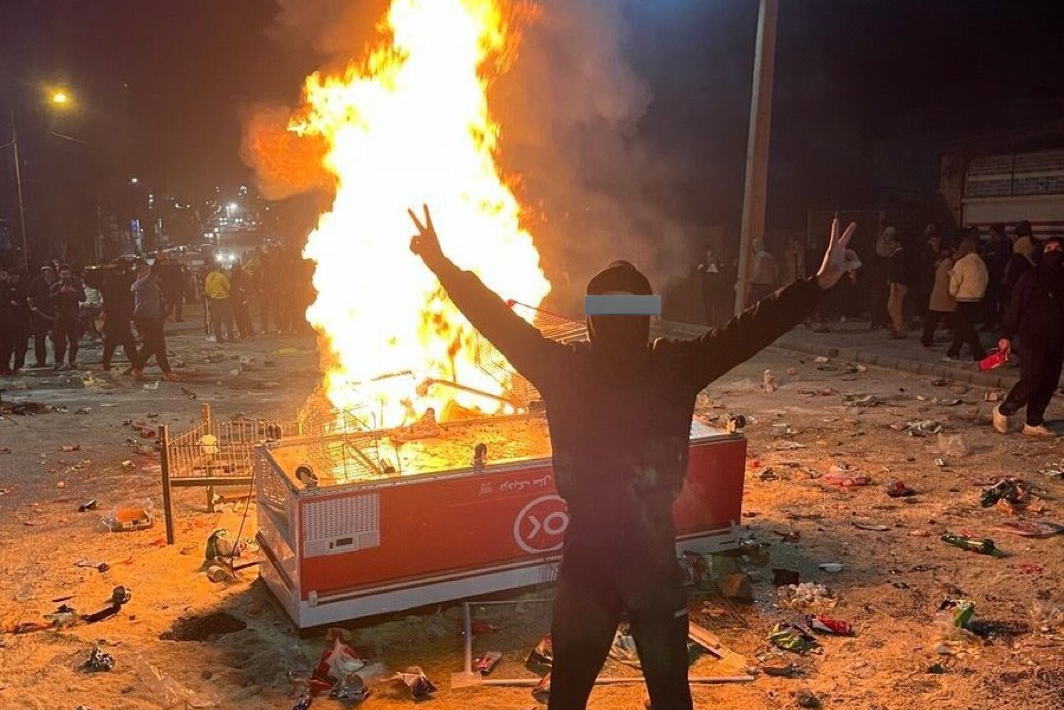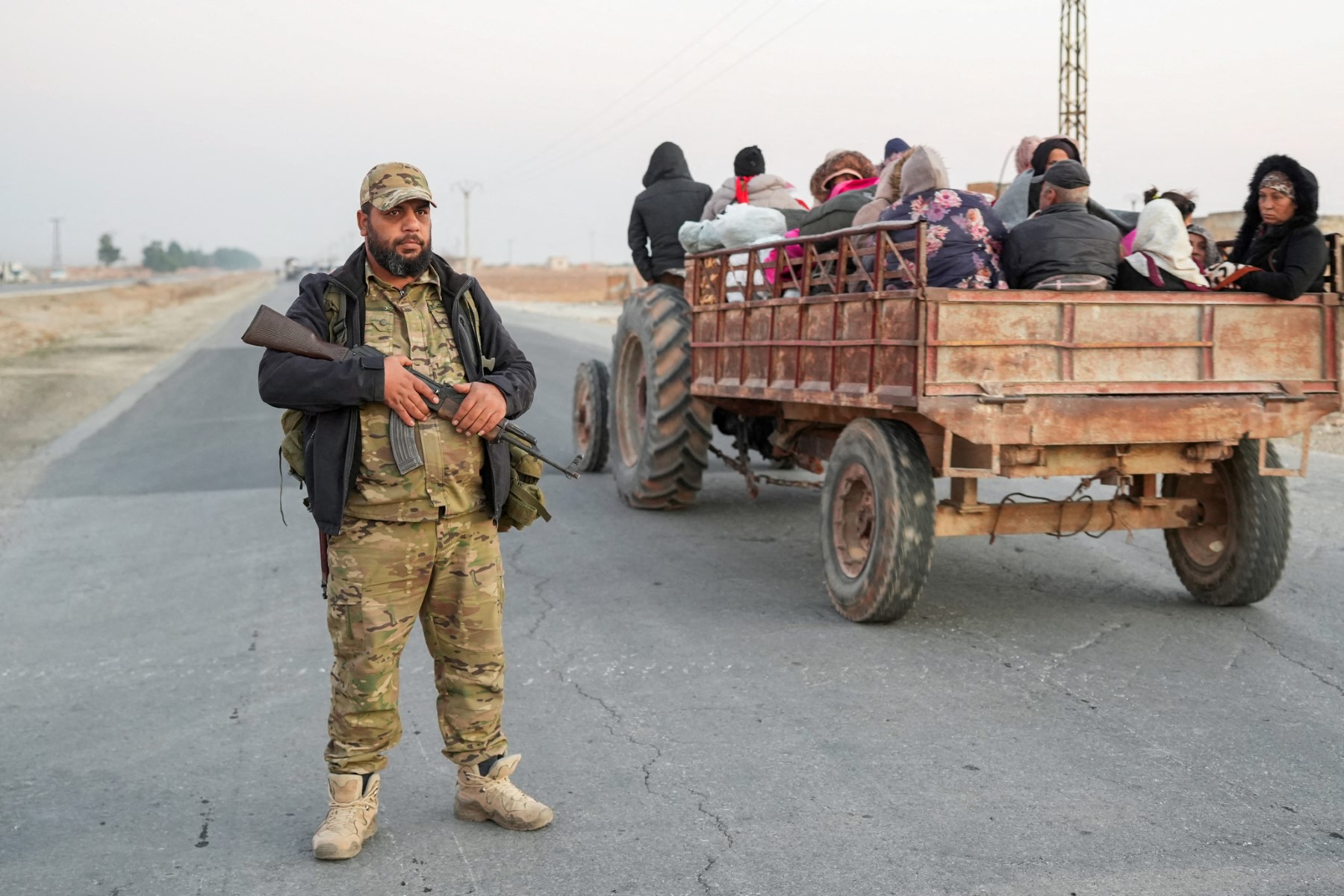
Mapping Iran’s Protests: Why Geography Matters
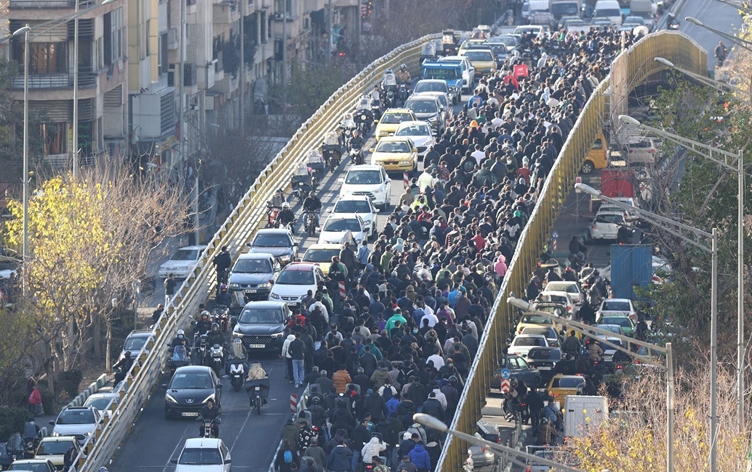
Protests in Iran and Rojhilat (Eastern Kurdistan) continue for the 11th day. As Iranian regime forces withdraw from the streets, the people have seized government buildings | Picture Credits: Mezopotamya Ajansı
Since 28 December 2025, Iran has experienced one of the most widespread waves of protests in recent years, initially driven by economic hardship and now encompassing broader political grievances. The unrest began with strikes and demonstrations in Tehran’s Grand Bazaar over soaring inflation and historic depreciation of the Rial, but it quickly spread to 92 cities across 27 provinces. In major urban centers as well as in smaller and often marginalized towns, people have been chanting against the regime for the eleventh consecutive day.
According to the Human Rights Activists News Agency (HRANA), the number of deaths resulting from the protests has risen to 36, including at least 5 children, and 2 security personnel. In the small city of Malekshahi, four protesters were killed by security forces, two more died in the hospital, and many others were injured. Security forces later raided the hospital where injured protesters were being treated, deploying tear gas inside and forcibly dragging injured individuals out to arrest them.
The mass mobilization of protesters in the small cities of Abdanan and Malekshahi has forced out security forces, and reports indicate that the cities have been effectively taken over by local protesters and rebellious youths
In addition, at least 2,076 people have been detained, including activists, trade unionists, lawyers, medical doctors, teachers, and underage students. As reported by the Council of Iranian Teachers’ Trade Associations, at least 100 schoolchildren were arrested only in Harsin, Kermanshah Province. Alongside Ilam, Kermanshah, another Kurdish-majority province, has emerged as a major heartland of the protests.
The mass mobilization of protesters in the small cities of Abdanan and Malekshahi has forced out security forces, and reports from activists on the ground indicate that on Tuesday, 6 January, the cities have been effectively taken over by local protesters and rebellious youths, with large crowds controlling the streets. This replacement of a power vacuum by grassroots mobilization marks a significant escalation compared to earlier gatherings.
A Zagros Uprising?
Despite widespread protests across many provinces, reports indicate that the Kurdish-majority provinces of Kermanshah and Ilam, as well as the Lur-majority provinces of Lorestan, Kohgiluyeh and Boyer-Ahmad, and Chaharmahal and Bakhtiari, were among the first to join the protests and exhibited the highest intensity. All of these provinces lie along the Zagros Mountains, and the livelihoods and social life of people living here have historically been closely shaped by these mountains. The consistent pattern of protests in this region likely stems from a combination of prevalent economic hardship, ethnic composition, and their mode of integration into the Iranian nation-state.
Inequality and Underdevelopment
There is a clear and consistent pattern of chronic underdevelopment and economic marginalization in these provinces in and around the Zagros mountains
These provinces are among the most impoverished and underdeveloped in Iran, despite their abundant natural resources, including oil, gas, and minerals. According to the latest statistics in 2025, Lorestan Province recorded a misery index – a combination of inflation and unemployment rates– that put it at the fourth most economically distressed province in the country, following the oil-rich Khuzestan, Kerman, and Hormozgan, while Ilam ranked fifth. In the autumn of 2023, Chaharmahal and Bakhtiari recorded the highest index value, and in the winter of 2024, Kermanshah Province recorded the highest value. It is worth noting that Kermanshah once housed Iran’s second-oldest oil refinery, established in 1922.
There is a clear and consistent pattern of chronic underdevelopment and economic marginalization in these provinces in and around the Zagros mountains. Classified as semi-developed regions, they lag behind wealthier Iranian provinces due to centralized governance, limited local autonomy, and persistent budgetary constraints. Positioned along the border with Iraq, Kermanshah and Ilam also suffered extensive bombardment during the eight-year Iran-Iraq war, leaving long-term damage to infrastructure and communities. Gaps in transportation, technology, healthcare, and education further exacerbate social and economic pressures, particularly in rural areas and urban slums. High levels of poverty, unemployment, and related social challenges, including accelerating rural-to-urban migration, contribute to deep-seated frustration and social discontent among residents.
Another disadvantage imposed on some of these provinces by Iran’s centralized power structure is significant environmental pressure. In Lorestan, the Qamarood water transfer project diverts 181 million cubic meters of water annually from the Aligodarz region to central Iranian cities such as Qom and Mahallat, thereby drying up rivers and underground aquifers and forcing residents of at least 16 villages to migrate to urban centers. Similarly, in Chaharmahal and Bakhtiari, the Kouhrang tunnels have channeled water from the Kouhrang River to the Zayandeh Rud basin in Isfahan, reducing downstream flows, harming agriculture, and leaving communities with depleted water resources. These and many similar interprovincial water-transfer projects have not only strained local ecosystems but also exacerbated social and economic hardship, leading to recurring protests by farmers over water rights.
National and Ethnic Composition and Political Context
The prominence of the Zagros provinces in this wave of protests underscores a shift in the geography of protest in Iran
Kurds and Lurs historically exercised significant degrees of local self-governance through tribal, confederative, and customary institutions. This autonomy was systematically and violently dismantled under Reza Shah Pahlavi, whose state-building project relied on forced sedentarization, disarmament, military repression, and the abolition of any local authority. For the following governments, these populations were viewed through a security lens, as potentially unruly peripheral societies whose autonomy had to be curtailed, and they were to be kept economically deprived and politically marginalized. The Islamic Republic’s repression in Kurdistan, seen as the last stronghold of resistance forces from across Iran, following the 1979 Revolution, underscores this point.
The prominence of the Zagros provinces in this wave of protests underscores a shift in the geography of protest in Iran. The two most prominent uprisings in the past two decades were concentrated in different geographies: in 2009, the Green Movement was highly concentrated in Tehran, whereas the Jina revolutionary movement originated in the heartland of Kurdistan, with the Jin, Jiyan, Azadi slogan originating in Bakur (Turkish Kurdistan). The current wave of protests is shaped by people who have long been treated as economically, politically, and symbolically peripheral to national politics. Lurs and Bakhtiaris even lack the political parties that partially represent and have the potential to mobilize Kurds. The protests unfolding in Ilam, Kermanshah, Lorestan, and neighboring provinces are deeply rooted in everyday struggles over livelihoods, dignity, and survival. Whether the current unrest subsides or escalates, it has already exposed the limits of centralized governance and the enduring fault lines between Iran’s center and its most marginalized mountainous peripheries

Mahtab Mahboub
Mahtab Mahboub is an Iranian feminist activist and PhD candidate in the Department of Sociology at the University of Duisburg-Essen, Germany. Her research focuses on the intersection of gender and migration within the Iranian diaspora in Germany, with particular interest in narrative research, intersectionality, identity, and decolonial feminist theory. She also writes on social movements and political developments in Iran.