Suwayda in the Eyes of its Women: Between Resilience and Memories of Violence
Strength Through the Storm
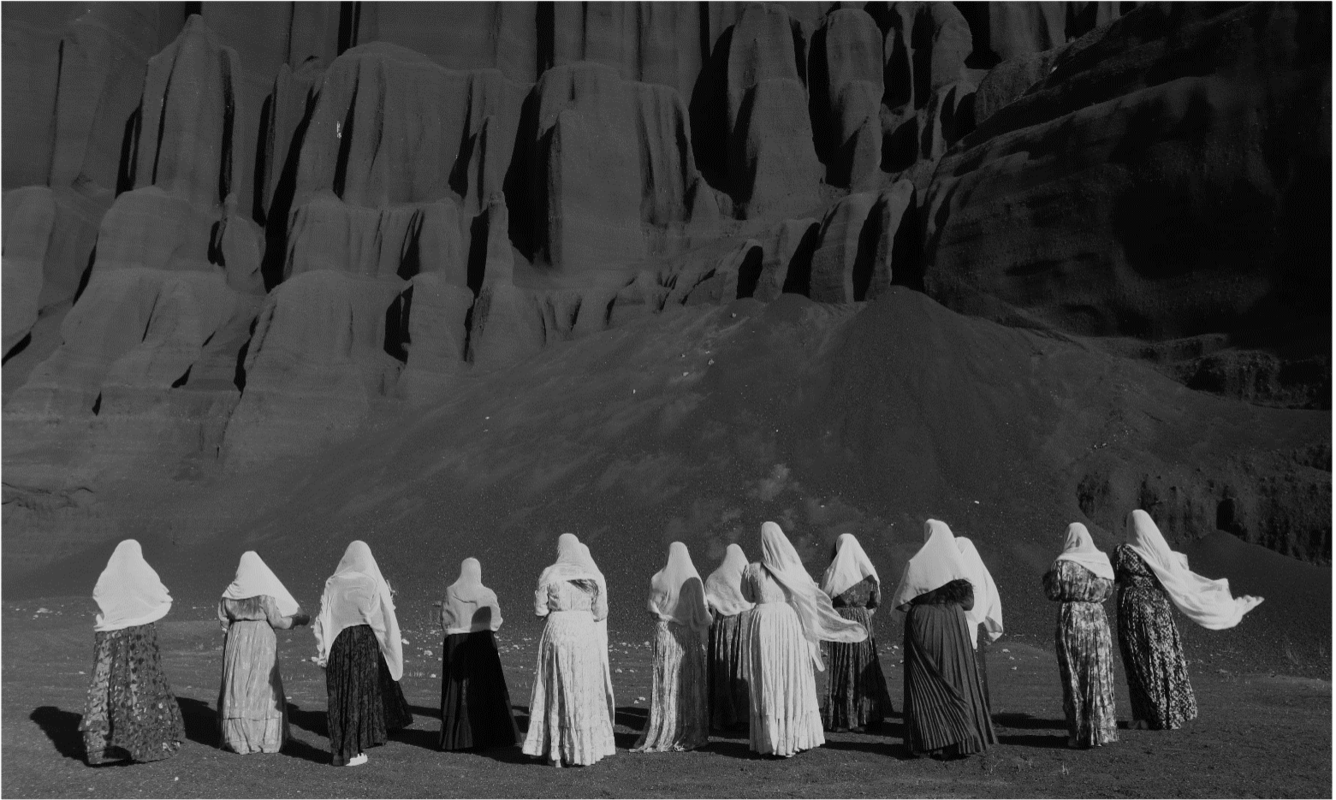
When the transitional government’s forces attacked Suwayda in July 2025, the women in the region witnessed their children, relatives, and husbands being murdered in sectarian field executions and massacres, and endured sexual violence and rape. Yet, rather than escape, they gathered to organize themselves.
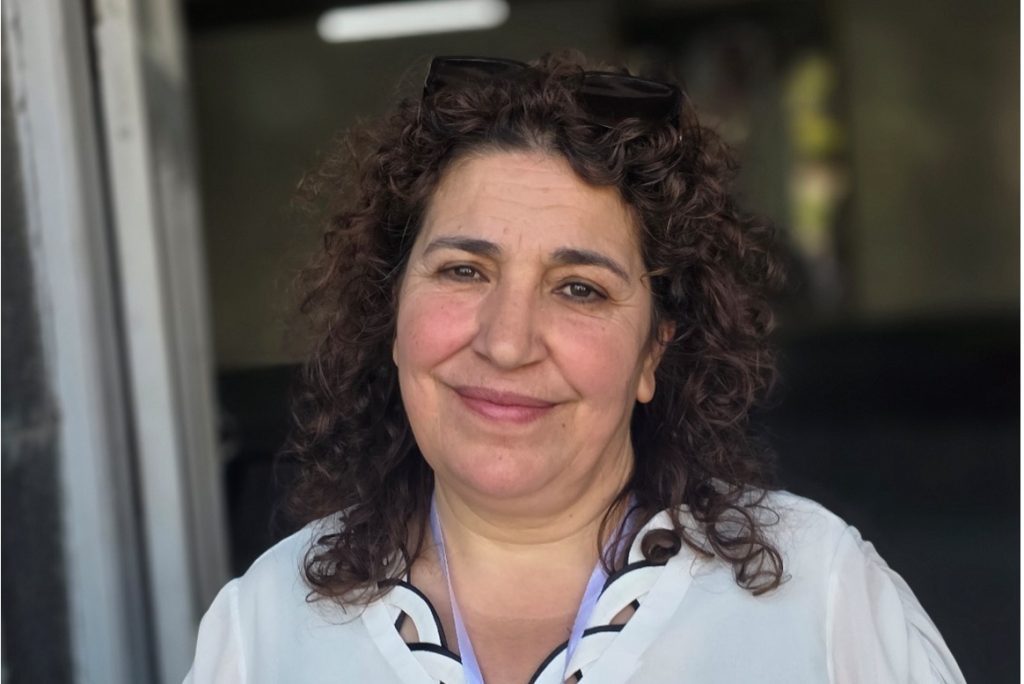
“Women hadn’t slept in days,” said Shahba City native Joumana Naseef, 54, a civil activist, musician, and founder of the Come and Sing choir, and CEO of Sanad women’s team. She explained that hundreds were kidnapped in neighboring areas, and they saw it as their duty to provide help. Despite the violence on the ground and the threat of drones in the sky, “We opened our houses, provided relief aids, food, and medications for families – Druze and Bedouin – who had been forcibly displaced.” She said with teary eyes. Druze women have a history of being active in their communities, as fighters and as civil society leaders, “Ready to face all challenges to protect our roots and our land, and safeguard our future.”
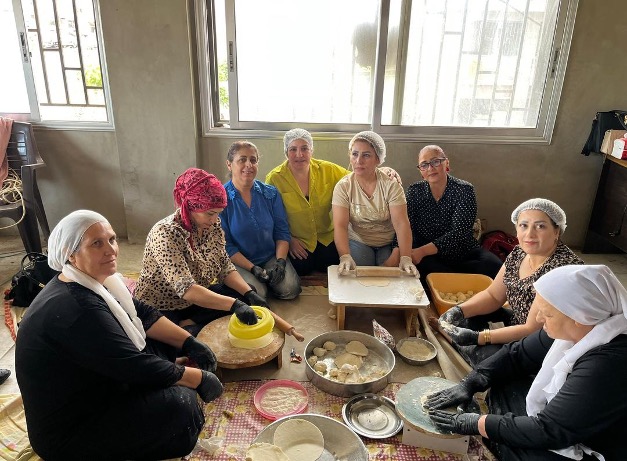
The First Breath of Twice Murdered Women
The horrific sectarian massacres in Suwayda, lasting more than ten days, and resulting in the deaths of 2,000 by August, the vast majority being Druze civilians, and over 145,000 people being forcibly displaced from their villages and homes, amount to ethnic cleansing. The city’s first instance of relief came after the gradual withdrawal of the Syrian Defense Ministry’s army and the transitional government’s General Security forces from Suwayda due to international pressure.
Women survivors went out to check on those who remained alive, as local cellular networks and internet connections had been cut off during the massacres. The bloodbath and destruction were an immense shock: hundreds of mutilated bodies and decomposing corpses were scattered in the streets, the National Hospital, and in people’s houses.
Women’s Voice for Justice
Trying to ignite a spark to survive grim days, they have tried to hold on to life and spread a culture of unity and peace.
Like all Syrian women, Suwayda’s women have suffered for decades under the Assad Regime’s oppression. Trying to ignite a spark to survive grim days, they have tried to hold on to life and spread a culture of unity and peace. Despite challenges, their initiatives have continued and become more organized.
Naseef said that on May 1, 2025, they set up the volunteer women’s collective, Sanad, in Shahba City. The initiative sprang out of their Come and Sing choir, established more than two years ago, where they would gather “to revive our heritage and express our reality through music.” But after the April attacks – when a Druze neighborhood in Damascus was targeted by factions affiliated with the Syrian transitional government – and the massacres in July, their cultural initiatives shifted to adapt to the new reality in Syria, “Women took it upon themselves to advocate for justice and take a stand against extremism, kidnappings, and sectarian violence.”
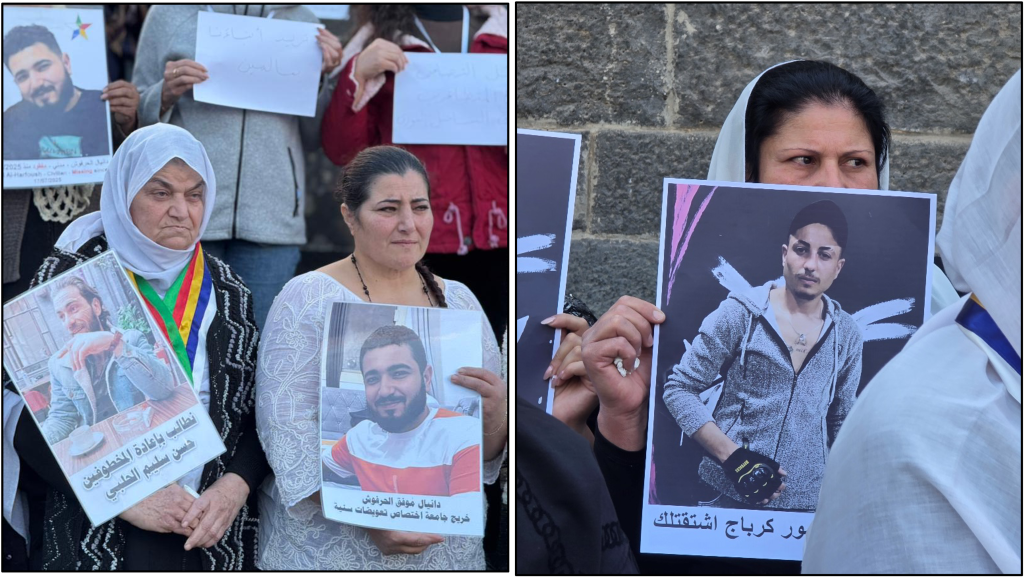
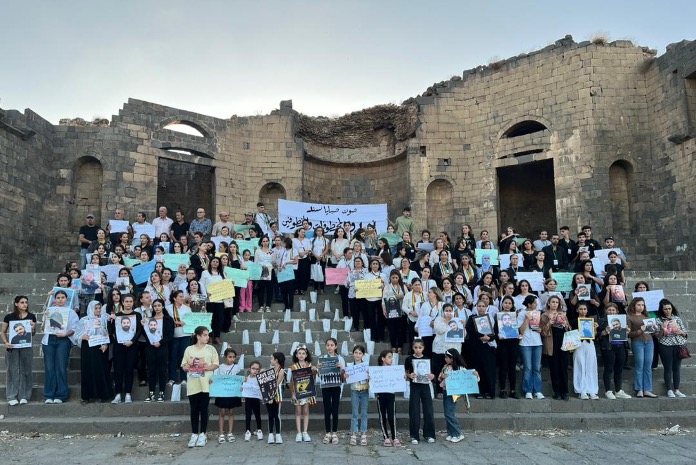
The women’s first demonstration was on September 2, 2025, demanding justice for the victims of abductions and forced disappearances. Despite daily difficulties and the siege that still continues, the women have been resilient: they have protested every Tuesday, standing in solidarity with the mothers, wives, and sisters of the abducted Druze men, women, and children.
They have garnered strong support, urging officials in Suwayda and the international community to take action and to pressure the authorities in Damascus for more transparency regarding the fate and whereabouts of the missing, and demanding their release, especially women and girls.
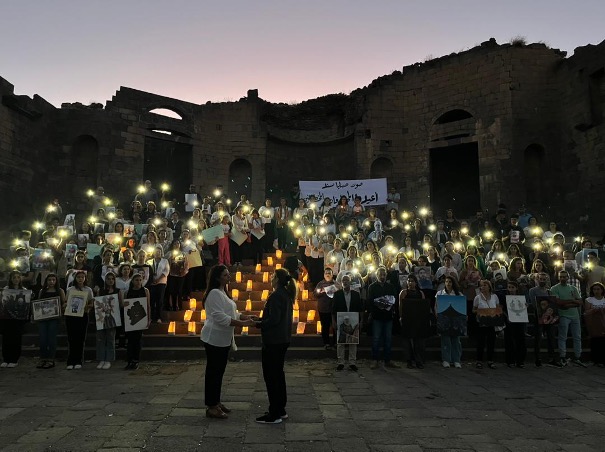
The Druze Supreme Council announced that over one hundred Druze women and girls have been kidnapped, and that there are hundreds of documented cases of rape. Credible steps are needed to uphold justice, accountability, and provide support for the victims and the affected families.
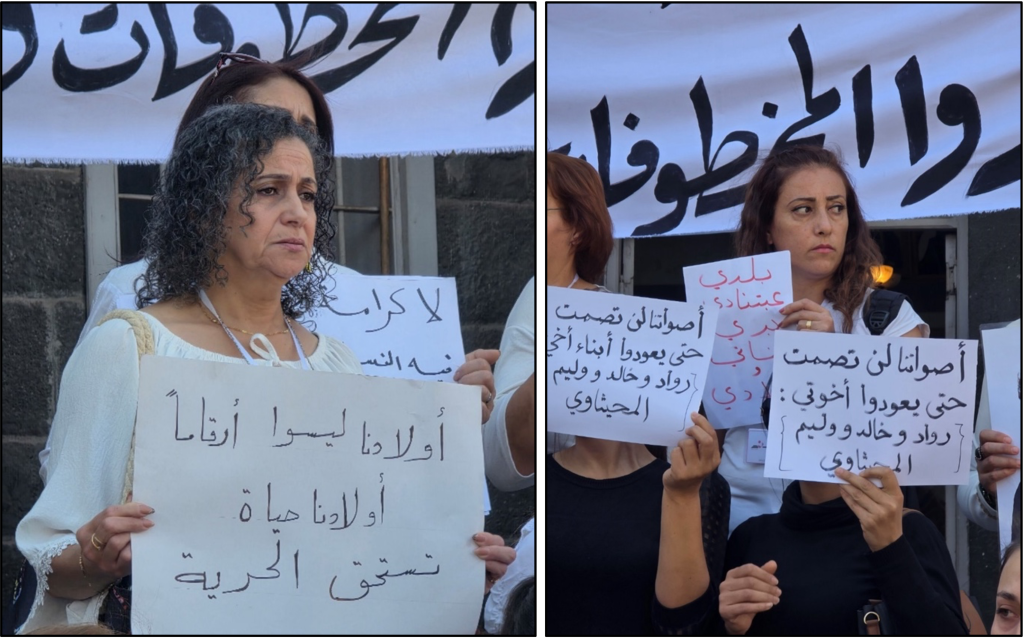
Guardians of Memory
…the Druze Supreme Council has appealed the United Nations to recognize the events as a genocide
Women are striving harder than anyone else to shed light on the truth of what happened in Suwayda, a media manipulation and authorities’ procedural neglect are hindering any attempt to locate the missing. The situation is only made worse by the Syrian transitional government’s unwillingness to recognize the massacres as targeted ethnic cleansing, while the Druze Supreme Council has appealed to the United Nations to recognize the events as an act of genocide.
One of the victims was Hazar Al-Taweel’s husband, Ammar Zaid Hatem, who was abducted and forcibly disappeared: “I haven’t heard anything about my husband for more than 150 days, since he was taken from our home by government forces at the beginning of the July invasion.” Ammar is a civilian and the father of a three-year-old child.
Hazar said that she is still in shock that she and her son survived the massacre. Her son’s mental state has deteriorated significantly due to his father’s absence, and she has sought the help of a psychologist. Her own mental state is equally bad, but she said she tries to stay strong and hold on to the hope that he will soon return.
She explained most of the women know nothing about their loved ones, but their shared pain has built solidarity, “I protest and stand with the Sanad women’s team. Together, we create strength for each other. It has become ingrained in our collective memory in Suwayda, for the rest of our lives and into the future.”
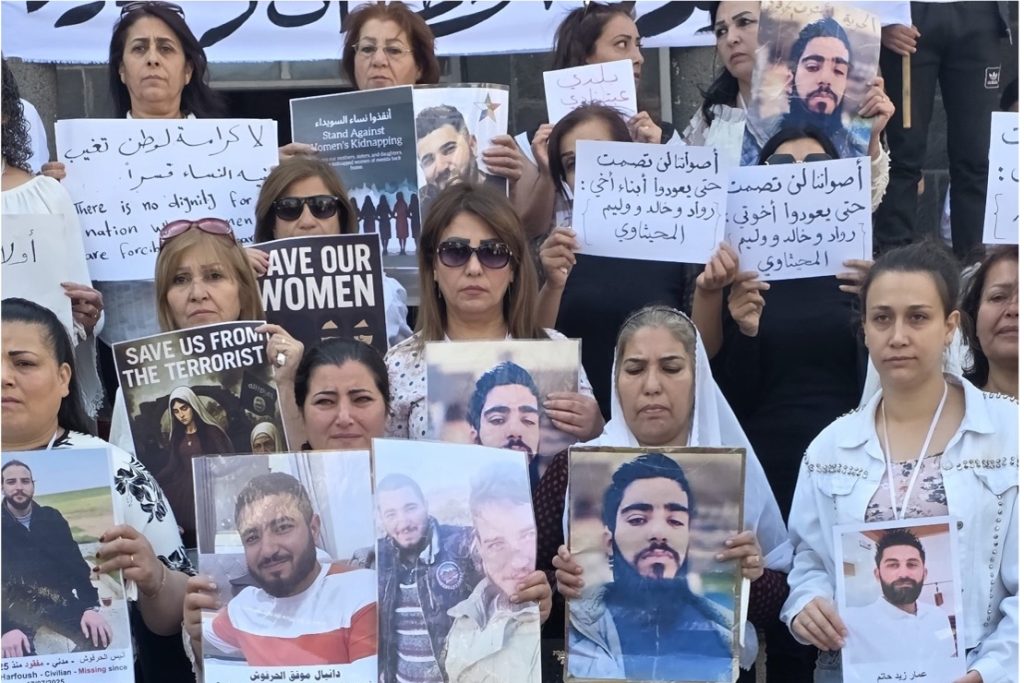
During the protests, families gather to state their demands; their tears unite them in loss. Each Tuesday, difficult and painful moments abound: a crying mother, expressing her love to her missing son, said, “I miss you. You’ve been absent for too long. Come back.”
Speaking for the Sanad women’s team, Joumana Naseef said, “We will not stop until all our community members are safely back home and there is accountability. The more we stick to each other, the lighter the burden becomes.” She explained that several sides are trying to aid their efforts, some international ones, some local.
Their demands are clear: the return of their loved ones and peace in their occupied lands. Though they had faith in the current authorities in the beginning, the government’s actions have made the people of Suwayda anxious: “Our right to self-determination in Suwayda emerged from our loss of confidence in this transitional government,” Naseef said.

Soha Ezzi
A filmmaker, civil activist, and independent journalist based in Damascus, Syria