UN Extends Mandates on Iran as Tensions Continue to Rise
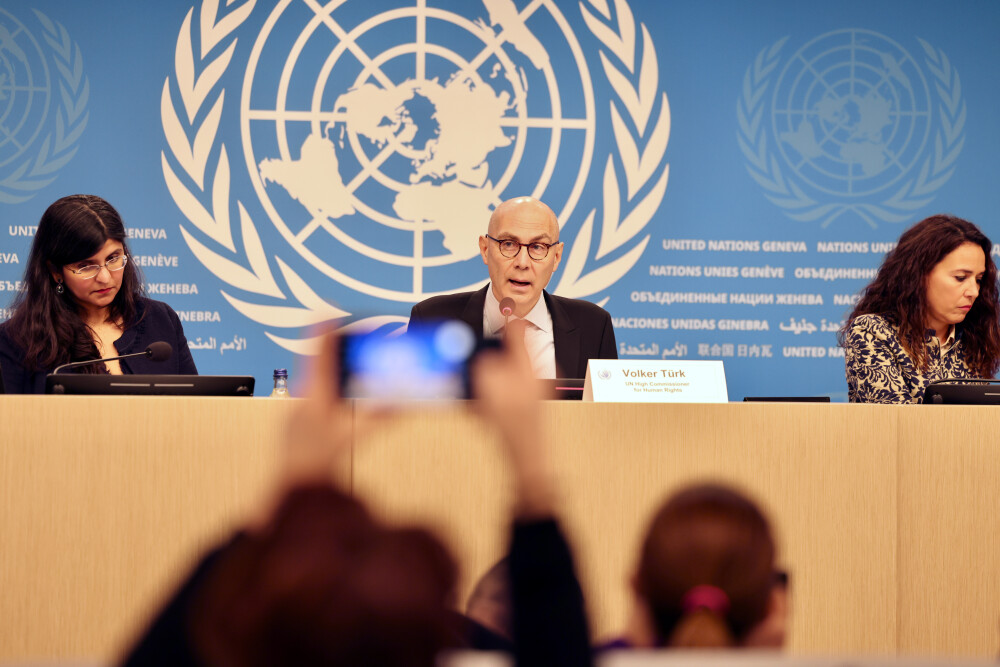
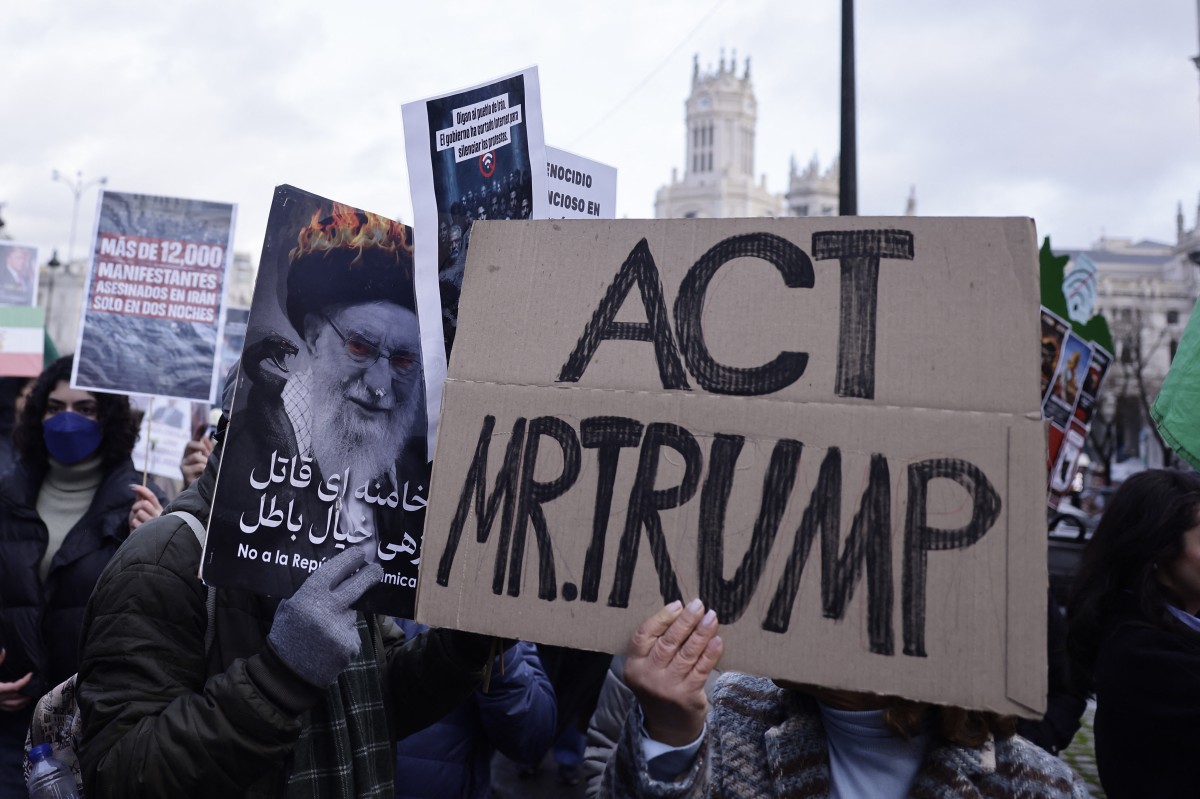
On Friday, the United Nations Human Rights Council held its 39th special session to discuss what it described as a “serious deterioration of the human rights situation” in the Islamic Republic of Iran. Following multiple reports of widespread violence against Iranian protesters, the Council adopted a resolution to extend the Fact-Finding Mission on Iran’s human rights violations.
At the opening of the session, UN High Commissioner for Human Rights Volker Türk called for an immediate end to what he described as the “brutal repression” of protesters. He urged Iranian authorities to stop the use of lethal force, rushed trials, and disproportionate sentences, stressing that “violence must stop immediately.”
Sara Hossain, head of the Independent International Fact-Finding Mission on Iran, said there is credible evidence that thousands of people were killed during the protests. She added that the mission is now focused on collecting and preserving evidence to hold potential perpetrators accountable in the future. Hossain also referred to reports of torture, sexual violence, and forced confessions broadcast on state media, warning that such actions could amount to crimes against humanity.
Meanwhile, Mai Sato, the UN Special Rapporteur on human rights in Iran, called on the UN Human Rights Council and the international community to respond to the crackdown on people in Iran, to support Iranians in their efforts to achieve their basic rights, and to hold those responsible for the repression accountable.
EU diplomats have called for the Islamic Revolutionary Guard Corps (IRGC) to be designated as a terrorist organisation.
Representatives of non-governmental organisations also addressed the session. Amnesty International and Human Rights Watch strongly criticised what they called an organised “information blackout” and “unprecedented mass killings,” calling for the investigative mandate of the Council to be extended for at least two more years and for immediate steps toward future legal accountability.
At the end of the meeting, the Human Rights Council adopted a resolution with 25 votes in favour, reaffirming continued international monitoring of Iran. Seven countries, including China, India and Pakistan, voted against the resolution, while 14 abstained. Under the resolution, the mandate of the UN Special Rapporteur on Iran was extended for one year and the fact-finding mission was extended for an additional two years.
The session came just one day after the European Parliament passed a resolution condemning the crackdown on protesters in Iran by an overwhelming majority. The resolution referred to mass killings, executions, arbitrary arrests, and widespread internet shutdowns – and called for an immediate halt to executions, the release of political prisoners, and expanded EU sanctions against Iranian officials. It also stated that future EU relations with Iran should depend on “genuine progress” on democracy and human rights, while EU diplomats have called for the Islamic Revolutionary Guard Corps (IRGC) to be designated as a terrorist organisation.
the United States has been increasing its military presence in the region, with aircraft carrier USS Abraham Lincoln and its strike group close by in the Indian Ocean
At the same time, alongside growing diplomatic activity and legal pressure, signs of rising military tension have also emerged. U.S. President Donald Trump said that an “armada” is heading toward Iran and that Washington was “watching very closely.” He said he hoped the forces would not be used but warned of severe consequences if Iran resumed its nuclear programme or continued executions.
These remarks came as the United States has been increasing its military presence in the region, with aircraft carrier USS Abraham Lincoln and its strike group close by in the Indian Ocean, while F-15E fighter jets have been deployed to Jordan and Patriot and THAAD air defence systems are positioned to protect bases such as Al-Udeid in Qatar. This marks the first major U.S. military buildup in the region since the 12-Day War of June 2025.
President Trump has been very vocal on Iran, at times threatening war and at times mentioning a potential deal. At the peak of the protests, he encouraged demonstrators to continue, saying that “help is on the way,” but later claimed the US had stopped the execution of 800 protesters – a claim Iran’s attorney general described as completely false.
In response to rising tensions, several Gulf countries and regional neighbours are holding intensive diplomatic consultations to prevent a war. Saudi Arabia, Qatar, Oman, Turkey and Egypt are engaging in parallel talks with the parties involved, aiming to reduce rhetoric, avoid miscalculations, and keep communication channels open. Qatar and Oman are playing active mediation roles, while Saudi Arabia has warned of the destabilising consequences of any military action.
These countries share multiple concerns, including possible disruption to energy exports and shipping routes, the risk of retaliatory attacks on critical infrastructure, and the wider geopolitical consequences of prolonged instability in Iran.

The Amargi
Amargi Columnist