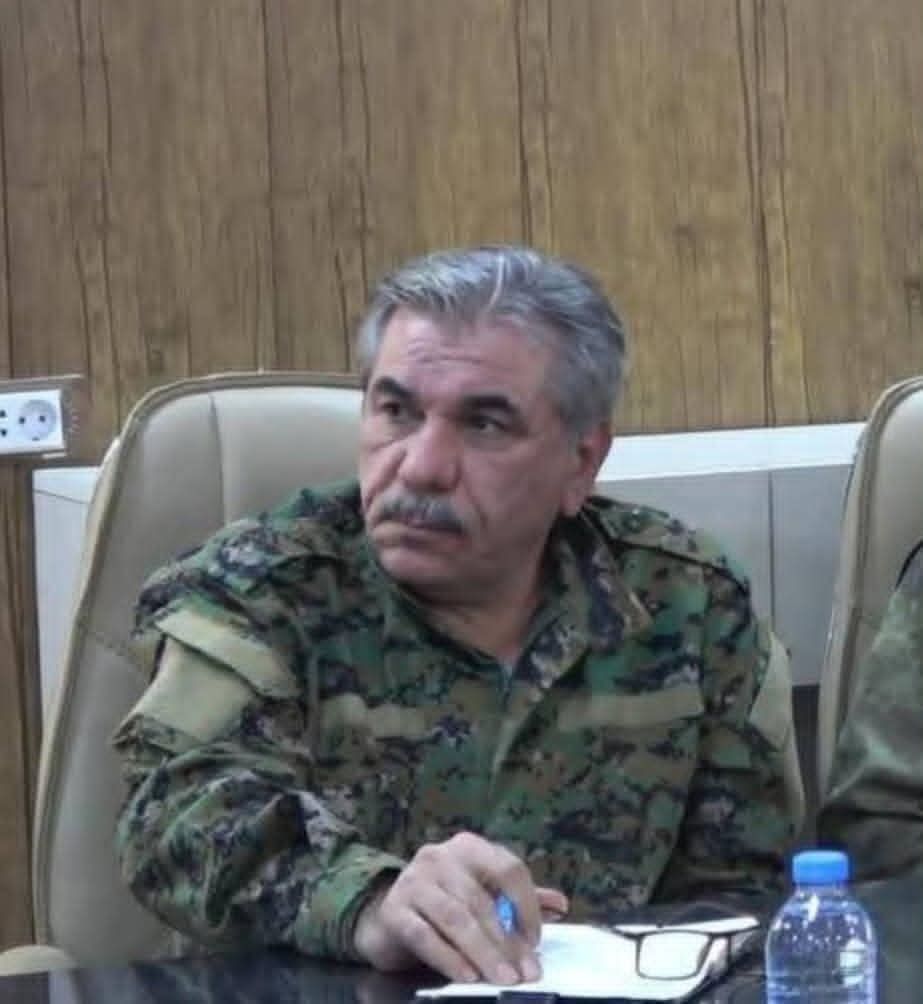
Syrian Conflict Spillover Fuels Attacks on Kurdish Communities in Germany
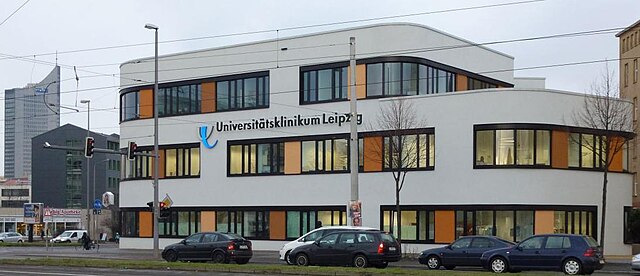
The Bayerischer Platz in Leipzig | Picture Credits: Tnemtsoni/WIKIMEDIA COMMONS
Throughout January 2026, rising tension between supporters of the Syrian transitional government and Kurdish protestors – due to the Syrian Arab Army’s military campaign against Rojava – has led to conflict across different parts of Europe.
“I was with one of my friends at the central train station in Leipzig and we were speaking Kurdish. When we separated and I got on the city train, these two people started insulting me.”
In Germany, attacks have led to physical injuries and material damage to businesses belonging to Kurdish and Syrian business owners. And supporters of the Syrian transitional government have targeted Kurdish citizens in cities like Halle and Leipzig.
One of the victims, a Kurd from Iran identified with the initials K.B., is currently receiving treatment in a medical centre in Leipzig. While returning home on a tram, two men initially used racist language to verbally abuse him in the early hours of Tuesday, January 27. K.B. was later assaulted with a machete.
K.B. told The Amargi that he was targeted in a hate-motivated attack because he is Kurdish: “I was with one of my friends at the central train station in Leipzig, and we were speaking Kurdish. When we separated, and I got on the city train, these two people started insulting me.” K.B. said he tried to distance himself from them to prevent the situation from escalating: “I went to the last wagon and tried to stay away from them, but they started following me and continued insulting me.”
Despite protests from other passengers, the two attackers continually tried to provoke K.B. He pointed out that during the journey, the verbal attacks intensified. When the tram reached Bayerischer Platz station in Leipzig, the two attackers tried to pull K.B. out of the train with them: “I stood behind the door, hoping that the tram would start moving again and the door would close. But the driver stopped the tram, and the attackers attacked me with a machete.”
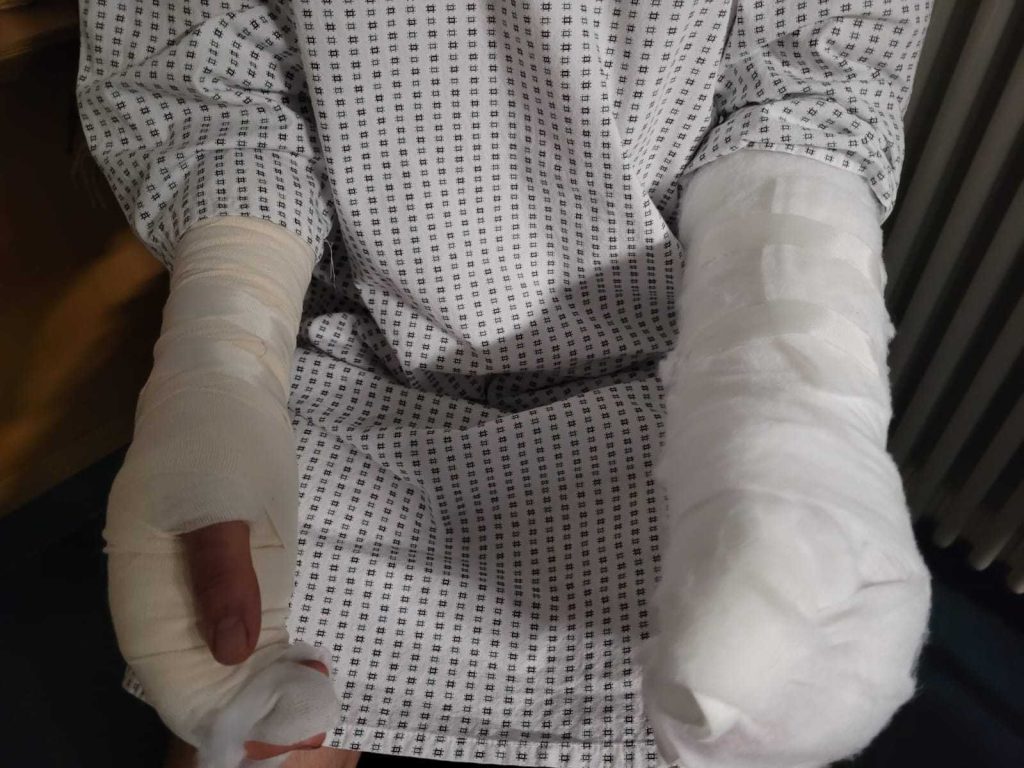
During the attack, the victim’s hands were seriously injured, and doctors had to perform surgery on his left hand because of the severity of the injuries. A spokesperson for the Leipzig police said that investigations are ongoing and they cannot yet provide further information to the media.
According to information obtained by The Amargi, one of the attackers was arrested by police on the night of the attack but was temporarily released the next day. The police have not released further information about the second attacker, but based on the tram’s security footage and videos recorded by witnesses, it is said that the second attacker has been identified.
Ferat Koçak … told The Amargi that the motive behind these attacks is “anti-Kurdish racism”
Although the police did not rule out possible political motives behind the attack, in a statement published on January 27 they classified the incident as an altercation (“Auseinandersetzung“), without providing further information for the time being.
Ferat Koçak, a member of the German parliament from the Left Party, criticized the police and German security institutions for their approach to tackling organized attacks against Kurds and Rojava supporters. He told The Amargi that the motive behind these attacks is “anti-Kurdish racism”, which is promoted by the “Islamist Hay’at Tahrir al-Sham (HTS) government” in Syria.
According to Koçak, the German government’s approach is contradictory. On one hand, they “warn about the dangers of Islamism, but instead of targeting extremist Islamist networks, their financing channels, and their violent mobilization, German security authorities still stick to a policy of criminalizing Kurds… and in practice often put Kurdish structures in general under suspicion.”
Civan Akbulut, head of the Information Center Against Anti-Kurdish Racism (IAKR) in Germany, told The Amargi that since interim Syrian president Ahmad al-Sharaa came to power, racist attacks against the Kurdish community in Germany have increased significantly.
According to a report by IAKR, in tandem with the start of the Syrian transitional government’s military campaign against Rojava, multiple hate-motivated attacks have been recorded against Kurdish citizens living in Germany. IAKR will publish these cases in an upcoming special report.
Akbulut said these attacks are “a real threat to the lives of Kurds in Germany” and that German government authorities have been informed about the increase in these threats.
European Rapprochement with Syria
These attacks happened while many European countries have been moving toward recognizing the new Syrian government and establishing political, economic, and military relations with it.
At a time when attacks on the Kurdish neighbourhoods of Ashrafieh and Sheikh Maqsoud in Aleppo were intensifying, European Commission President Ursula von der Leyen and European Council President Antonio Costa were in Damascus to meet with the transitional government’s officials.
During this visit, they supported Ahmad al-Sharaa’s commitment to “a new, peaceful, inclusive and safe Syria” and called for the resumption of economic cooperation. The possibility of Syria joining the Pact for the Mediterranean initiatives was also discussed.
Ahmad al-Sharaa was expected to travel to Berlin and reopen the Syrian embassy on January 20, following an official invitation from the German Chancellor. However, the trip was postponed due to the military escalations in north and east Syria, Rojava.
On January 30, following the extension of the ceasefire between the Kurdish-led Syrian Democratic Forces and the Syrian Arab Army, Germany, the United States, and the United Kingdom issued a joint statement welcoming the ceasefire and stressed the need to avoid further escalation. The statement also emphasized the need to protect civilians, European support for an inclusive political transition in Syria, and the importance of stability in northeast Syria for regional security and preventing the resurgence of terrorism.
“How this should work with former members of Al-Qaeda and Al-Nusra remains unclear to me.”
Ferat Koçak said that during the past year, the Syrian transitional government has shown that it “lacks democratic legitimacy and relies on repression and intimidation.” The parliament member stressed that potential negotiations should be contingent on “strict and verifiable human rights conditions.” However, he expressed doubt about any promises the new Syrian government might make regarding minorities: “How this should work with former members of Al-Qaeda and Al-Nusra remains unclear to me.”

Ammar Goli
Ammar Goli is an investigative reporter whose work focuses on the relationships between mafia groups and totalitarian governments, and on the Kurdish issue in the Middle East. He has contributed to various media outlets, including BBC Farsi, Iran International, and Radio Ferda, in Persian, Kurdish, and German, drawing on his deep understanding of the political and social dynamics of the region. At The Amargi, he writes specifically about East Kurdistan and Iran, offering valuable insights and analysis of current events.
![[The Amargi Exclusive] Investigating the Syrian Army’s Abuses](https://cms.theamargi.com/wp-content/uploads/2026/02/AFP__20260118__934D2KE__v1__MidRes__SyriaConflictKurds.jpg)