European Parliament Pushes for Action Against Violence Imposed On Rojava, Northeast Syria’s Kurds
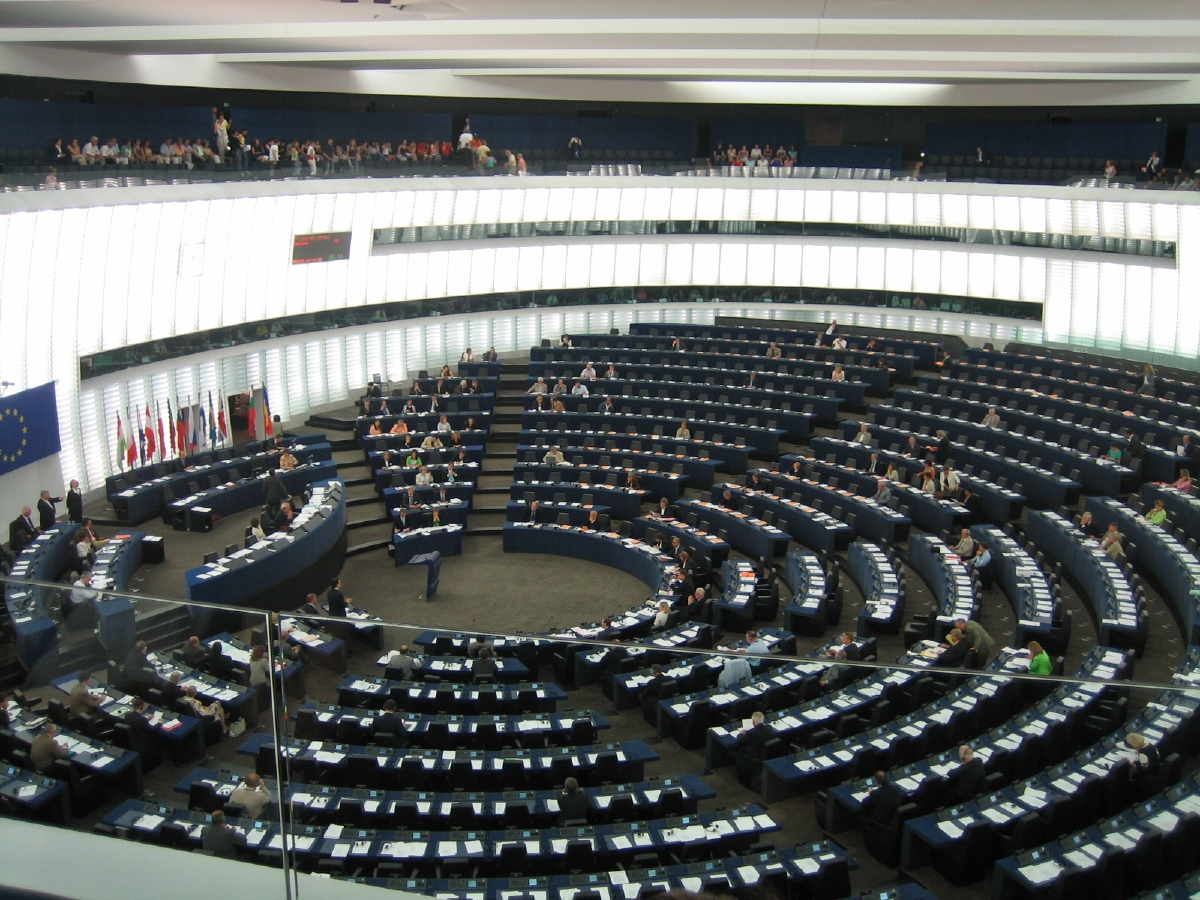
The European Parliament. Source: Public Domain Picture
On Thursday, February 12, the European Parliament adopted a comprehensive resolution condemning violence against civilians in northeast Syria and calling on the European Union to tie financial assistance to measurable human rights progress.
The measure, approved with 363 votes in favor, 71 against, and 81 abstentions, reflects rare cross-party consensus on Kurdish rights and the future of Syria’s fragile political transition.
Lawmakers sharply criticized reported abuses against Kurdish communities and warned that European support for Syria’s transitional authorities would remain conditional.
Allegations of War Crimes
In the resolution, Parliament condemned “all acts of violence against civilians” and cited credible reports from the United Nations and human rights organizations documenting alleged abuses, including desecration of corpses, vandalized burial grounds, and the use of unguided munitions in civilian areas.
Members of Parliament said some incidents could amount to serious violations of international humanitarian law and potential war crimes. They called for swift, independent investigations and urged Syrian authorities to grant full access to the U.N. Independent International Commission of Inquiry on Syria.
A Growing Humanitarian Crisis
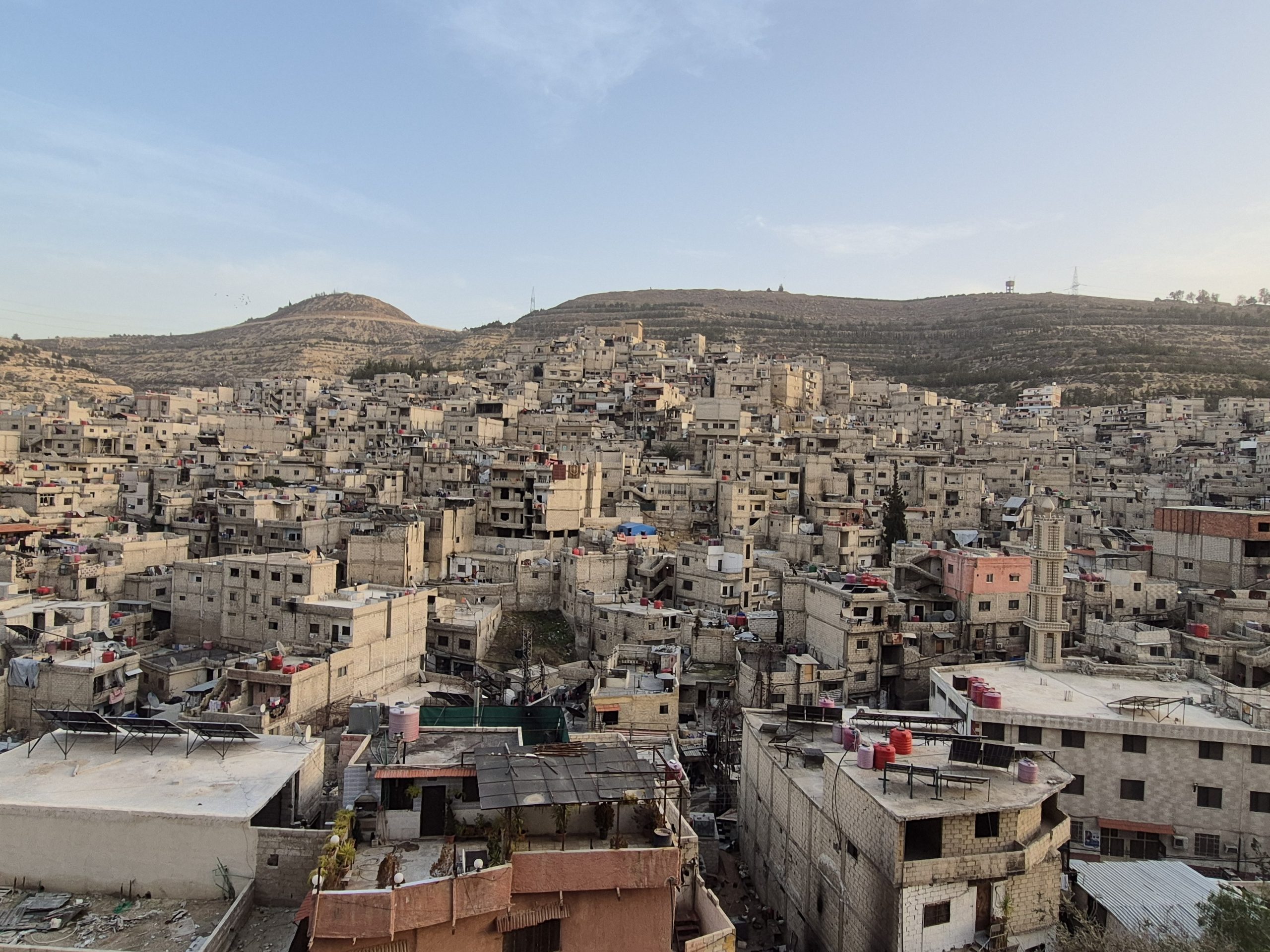
The debate unfolded against a worsening humanitarian situation in predominantly Kurdish cities such as Kobani and Qamishlo.
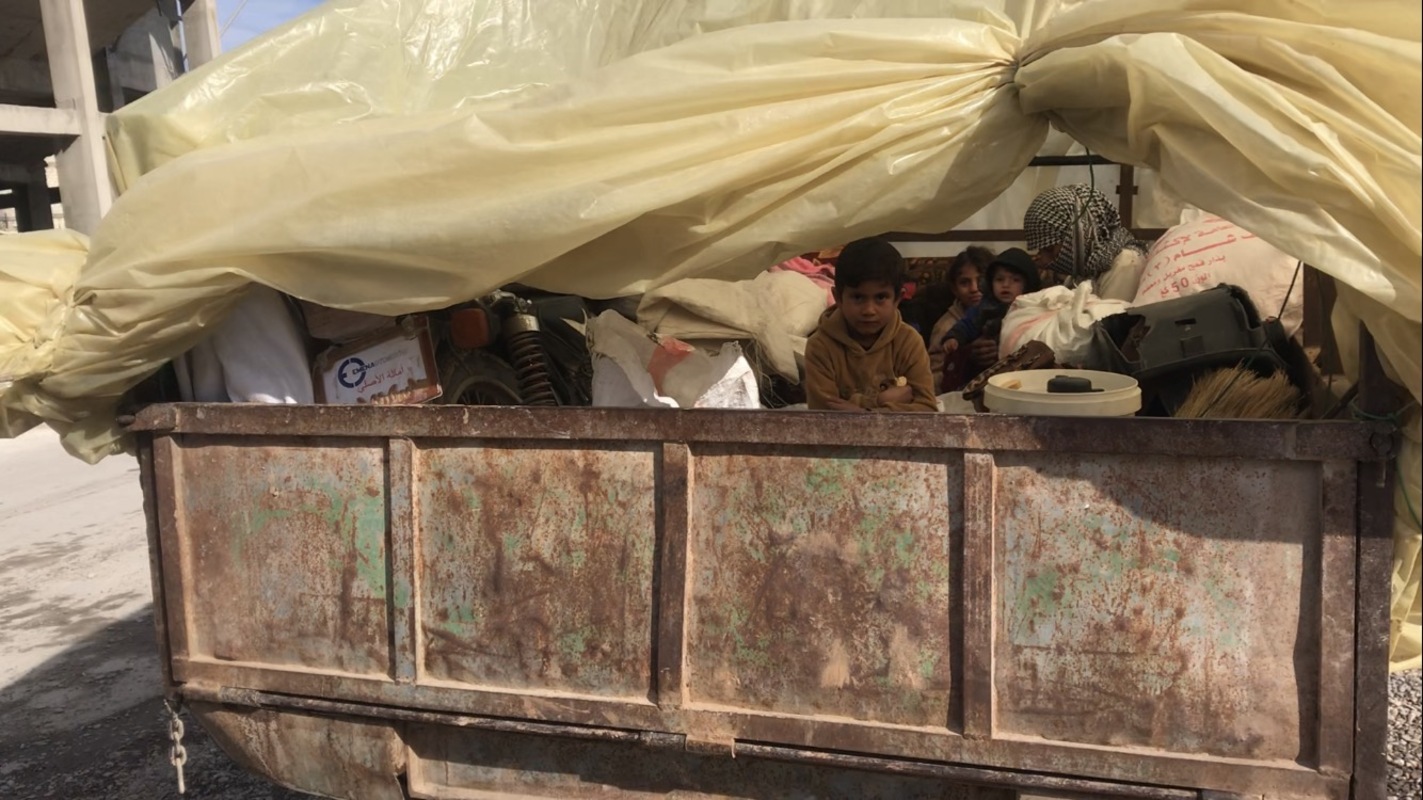
Recent fighting has disrupted essential services across the region. Lawmakers said roughly 400,000 people had been left without reliable access to electricity, water, food or medical care. More than 250,000 people are considered at risk in the besieged city of Kobani alone, where conditions have led to a humanitarian crisis and a health epidemic. An estimated 170,000 people have been displaced internally in recent weeks.
Parliament called for permanent humanitarian corridors to allow aid into besieged areas and urged the European Union and member states to increase assistance, with special attention to women and girls.
Kurdish Inclusion Seen as Central to Stability
Lawmakers emphasized that stability in northeast Syria is essential for any credible political transition in Damascus.
The resolution stresses that Syria’s ethnic and religious diversity – including Kurds, Arabs, Assyrians, Armenians, Yazidis, and Turkmen – must be protected through constitutional guarantees and meaningful political participation.
Members called on Syria’s transitional authorities to formally enshrine minority rights in the country’s future constitution while maintaining territorial integrity.
“For decades, the Kurdish regions have been among the most democratic and inclusive parts of Syria,” said MEP Terry Reintke of the Greens during the debate. “Real rights must be written into the constitution, and Kurdish representatives must have a seat at the table in Damascus.”
Aid With Conditions
The European Commission has pledged approximately €620 million in support for Syria in 2026 and 2027, focused on humanitarian relief and early recovery.
Parliament made clear that such assistance must be conditional and reversible. Funding, lawmakers said, should be tied to verifiable progress in civilian protection, respect for cease-fire agreements and human rights commitments. The resolution signals that backsliding could trigger a reassessment of European engagement and potentially the reimposition of suspended sanctions.
“Words are not enough anymore,” said MEP Yannis Maniatis of the Socialists and Democrats. “Any agreement must lead to a real and inclusive transition.”
Cease-Fire Under Scrutiny
Lawmakers welcomed the January 30 agreement between the Kurdish-led Syrian Democratic Forces (SDF) and Syria’s transitional government, which aims to stabilize the cease-fire and gradually integrate SDF fighters into the country’s defense and interior ministries. But they warned that implementation would be the true test.
Parliament also called on regional actors, including Turkey, to refrain from military actions or support for armed groups that could undermine the truce.
The ISIS Threat
Members expressed concern about the potential resurgence of the Islamic State, also known as ISIS or Daesh, particularly following reports of escaped detainees from camps in northeast Syria. They urged European governments to repatriate their nationals, especially children, from detention camps such as al-Hol and al-Roj and to prosecute adults in fair trials at home.
Lawmakers highlighted the decisive role Kurdish forces, including women fighters, played in defeating ISIS and said lasting stability in Syria depends in part on recognizing those contributions. They also criticized the U.S. decision to withdraw troops from parts of Syria and Iraq and called for increased European coordination to prevent extremist groups from regaining strength.
Divisions Within Europe
Not all lawmakers were satisfied with Europe’s approach. Some criticized what they described as an inconsistency in EU foreign policy. “Europe does not have a human rights policy. It has an interest-based policy,” said MEP Jaume Asens Llodrà.
Others argued that the European Union continues to provide assistance despite serious allegations against Syrian authorities.
Still, most speakers agreed that Europe has a responsibility toward the Kurdish population, particularly given Kurdish forces’ role in the fight against ISIS. “I would like Europe to honor its debt to the Kurdish people who fought with us against Daesh for more than 10 years,” said Nathalie Loiseau, the Parliament’s rapporteur on Syria.
Monitoring the Transition
The resolution instructs the Parliament’s president to forward the document to the European Council, the Commission, and relevant Syrian and regional authorities. It also calls for the text to be translated into Arabic and Kurdish.
While nonbinding, the measure sends a clear message that European engagement with Syria’s transitional government will depend on concrete improvements in civilian protection, minority rights and the implementation of the cease-fire.
For Kurdish communities in northeast Syria, the resolution represents political recognition at a critical moment. But as several lawmakers acknowledged, recognition alone will not determine whether the region stabilizes. Implementation and sustained international pressure will.
The resolution aligns with the Parliamentary Assembly of the Council of Europe’s resolution from the end of January calling for the protection of Kurdish rights and the prevention of ethnic discrimination, while echoing the U.S. House Foreign Affairs Committee’s recent bipartisan debate on the need for greater U.S. engagement to ensure minority rights in post-conflict Syria

Justus Johannsen
Justus Johannsen is a German journalist and a member of the editorial board of The Amargi. His work focuses on the Middle East, with a particular interest in Syria, Rojava, and Turkey — regions he has followed closely for several years.