New Security Arrangements Tested in Rojava, Northeast Syria
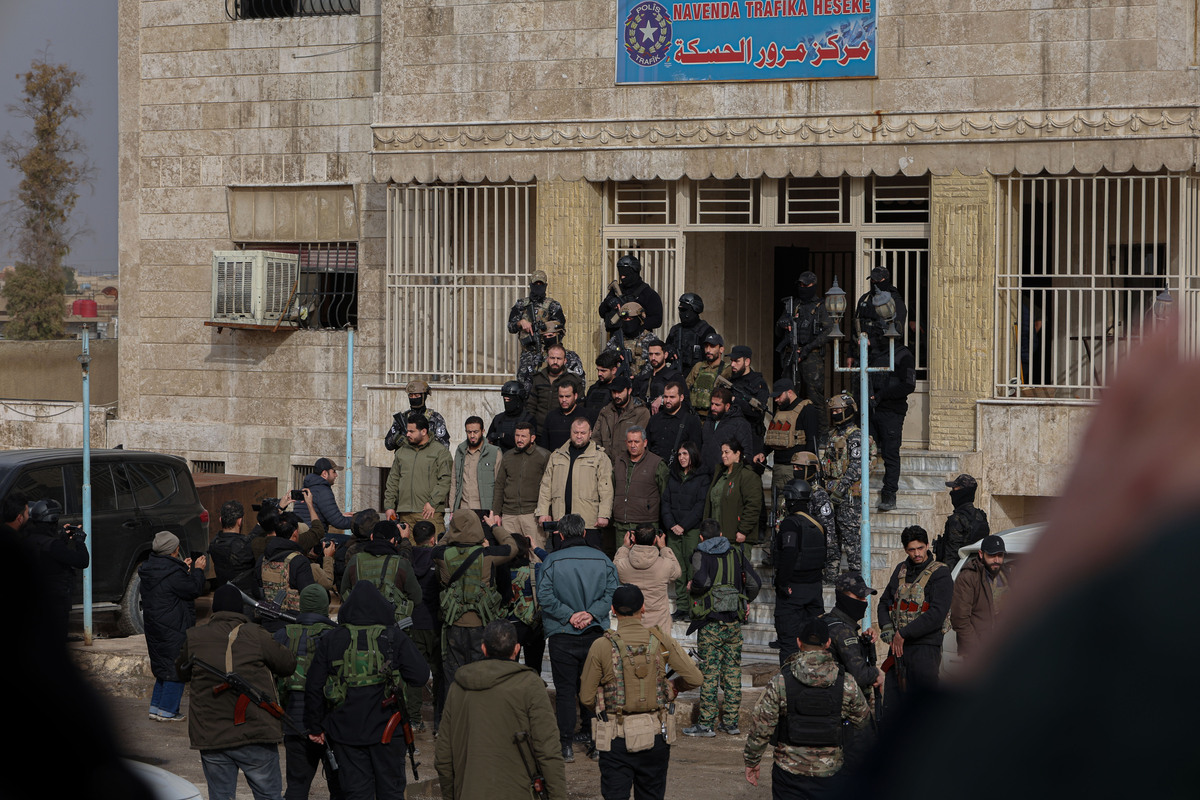
A picture from the meeting of the Asayish leadership with the leadership of the Public Security Forces affiliated with the Syrian Transitional Government | Picture Credits: Abbas Abbas
Qamishlo, Syria – In a significant development for the region, new security arrangements are being tested in the Kurdish-controlled areas of northeastern Syria. After a major offensive by the Syrian Arab Army last month, the Kurdish-led SDF withdrew from key towns including Deir Hafer, Tabqa, Raqqa, Deir ez-Zor, and Shaddadi, with contact lines now running along Hasakah province’s borders.
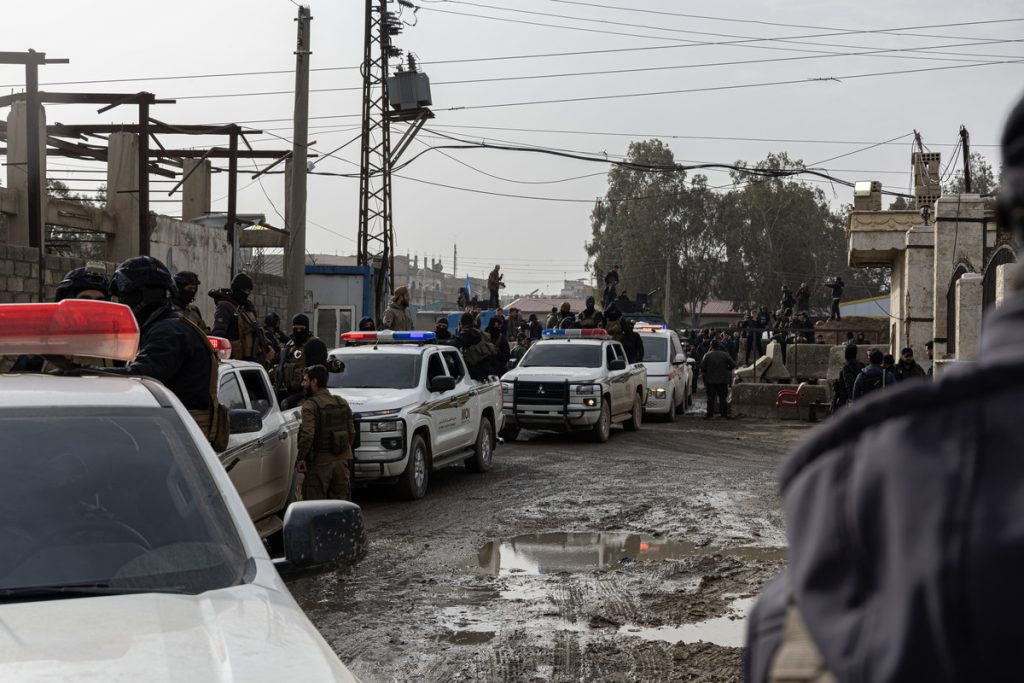
In late January 2026, the Syrian transitional government and the Syrian Democratic Forces (SDF) reached a comprehensive ceasefire and integration agreement aimed at ending hostilities and establishing a political path forward. Under the deal, an immediate countrywide ceasefire was declared, and Syrian government forces entered major cities like Hasakah and Qamishlo to assume administrative control.
The agreement stipulates the phased integration of SDF military and security personnel into the Syrian army and interior ministry, while civilian institutions in former SDF areas will be integrated within the Syrian state structures. It also includes the transfer of strategic assets – such as border crossings and oil and gas fields – to Damascus, with guarantees for continued civil service roles and protection of Kurdish civil and educational rights.
The SDF, the Autonomous Administration of North and East Syria (DAANES), and Syrian Interim President Ahmad al-Sharaa held a series of meetings in Damascus, which resulted in the current agreement. The United States and France were heavily involved in the process, and Erbil, the capital of the Kurdistan Region of Iraq, played a central role in mediating the agreement.
Implementation and Security Concerns
Dilar Temo, a Kurdish leader in the SDF-affiliated Asayish internal security forces, confirmed to The Amargi that an understanding has been reached ensuring the Asayish will continue to protect all communities within Kurdish areas. She reported that upon arrival of approximately 100 Damascus General Security Forces members in Hasakah, ISIS-affiliated cells attempted to disrupt the operation by launching attacks. Security forces responded swiftly, arresting those involved. Temo also noted that some Syrian delegation members made gestures resembling ISIS symbols, prompting immediate accountability measures.
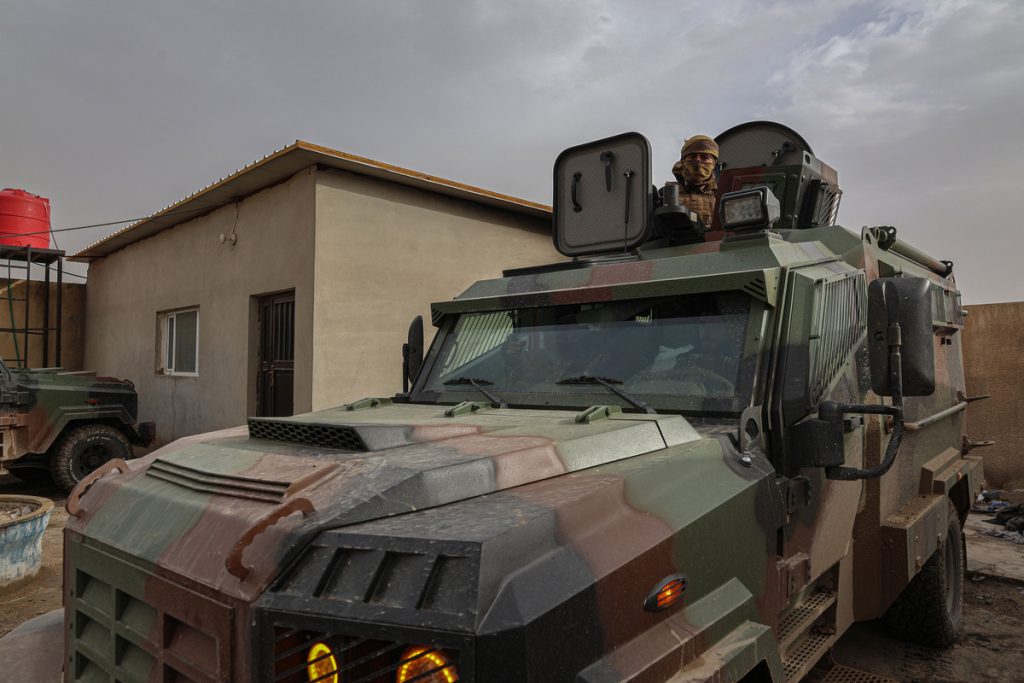
A second delegation of around 100 personnel and 15 vehicles entered Qamishlo as part of the agreement. Temo emphasized that the General Security Forces’ presence is temporary, tied to the integration process, estimated to take one to two months.
Interior Ministry spokesman Nour al-Din al-Baba confirmed the ministry has begun taking over security headquarters from the SDF in Qamishlo, describing the handover atmosphere as positive. He stressed that rebuilding Syria requires participation from all components and that Hasakah province needs development more than military escalation.
Qamishlo Airport and Regional Coordination
A Syrian transitional government delegation, accompanied by Asayish internal security forces, visited Qamishli International Airport on Sunday for closed-door discussions on the airport’s operations, attended by Kurdish leader Siyamend Afrin and Brigadier General Marwan al-Ali.
the Kobani city administration has accused the Syrian transitional government in Damascus of failing to fulfill any of the commitments made at the meeting in Aleppo
The delegation’s role is limited to deploying workers and technicians to reactivate the airport, with flights scheduled to resume by late February, while airport administration will be shared between the Autonomous Administration of North and East Syria and the transitional government under the SDF-Damascus agreement. Al-Ali stated during a press conference in Al-Hasakah that the province is experiencing positive momentum as the integration agreement advances, emphasizing that current challenges are logistical and technical in nature. Al-Ali noted that the Kobani situation – the city remaining under siege at the time of writing, and facing a horrible humanitarian crisis – is being addressed alongside Qamishlo and Al-Hasakah issues within a unified framework.
However, the Kobani city administration has accused the Syrian transitional government in Damascus of failing to fulfill any of the commitments made at the meeting in Aleppo. In a statement on Saturday, the authorities said that neither has the military presence in the region been reduced nor has any concrete measures been taken to improve the humanitarian situation.
Mixed Public Reactions and Political Outlook
Public opinion in Qamishlo varies from cautious welcome to calls for real guarantees. One resident, Saif al-Din Bahri, stressed the importance of a new permanent constitution and serious dialogue to guarantee rights. Another local, Mohammed Osi, called the agreement historic, welcoming the return of state institutions. Yegnik Karbo, an Armenian resident, welcomed stability measures but stressed the need for legal guarantees to prevent violations.
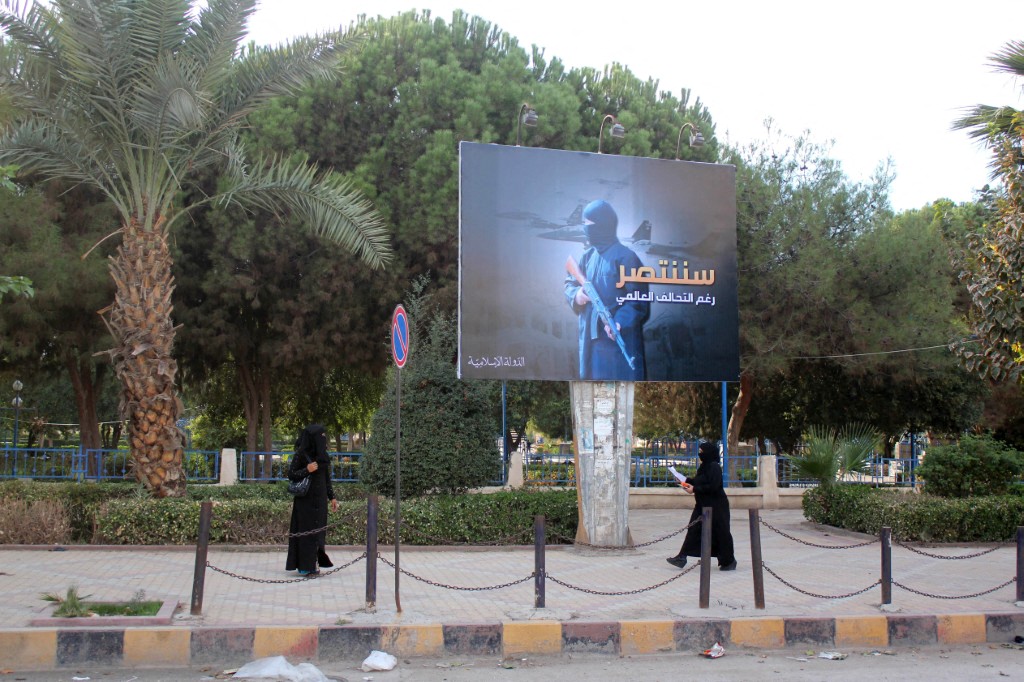
Despite progress, the threat of ISIS remains significant. Security chaos and the involvement of some Turkish-backed factions and extremist groups have contributed to a heightened risk of ISIS resurgence.
Kurdish political analyst Walid Joli, talking to The Amargi, described the current phase as a gradual “linking” process rather than immediate integration. He noted that government forces will be present symbolically, focusing on monitoring the integration process. Joli believes this transitional phase is a step toward broader discussions on Syria’s future constitution.
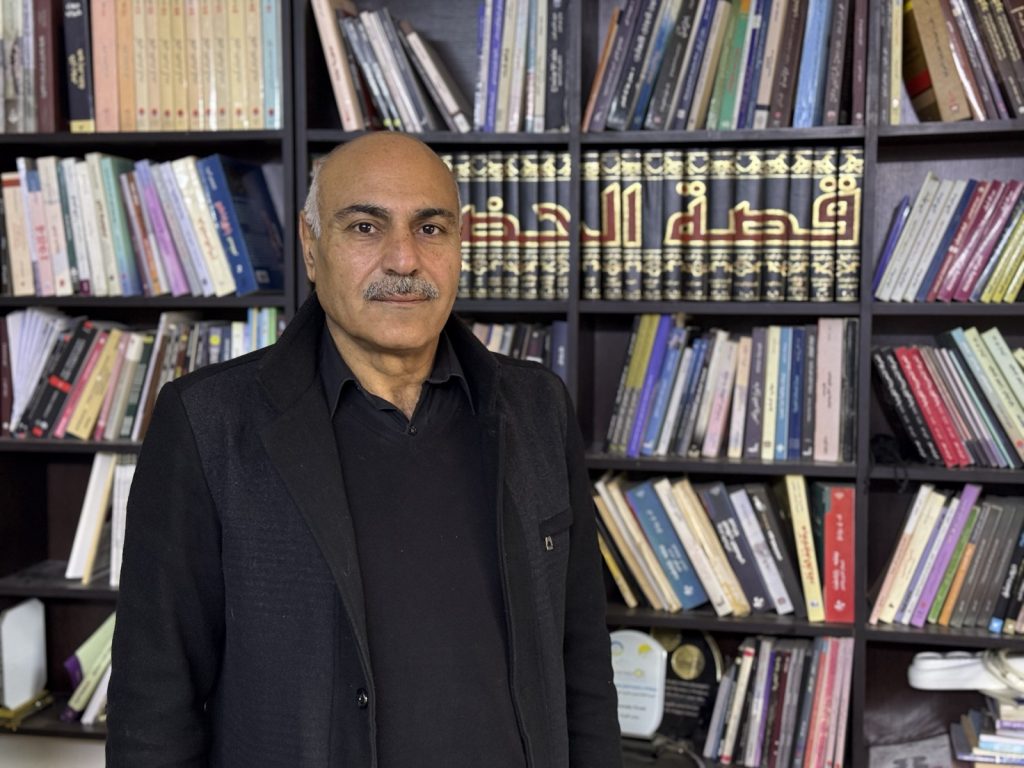
SDF commander Sipan Hemo said, “The agreement should not be seen as a final solution, but rather as a beginning: the start of a political process aimed at creating a solid framework for the recognition and protection of Kurdish identity.”
Despite progress, the threat of ISIS remains significant. Security chaos and the involvement of some Turkish-backed factions and extremist groups have contributed to a heightened risk of ISIS resurgence.
International Engagement
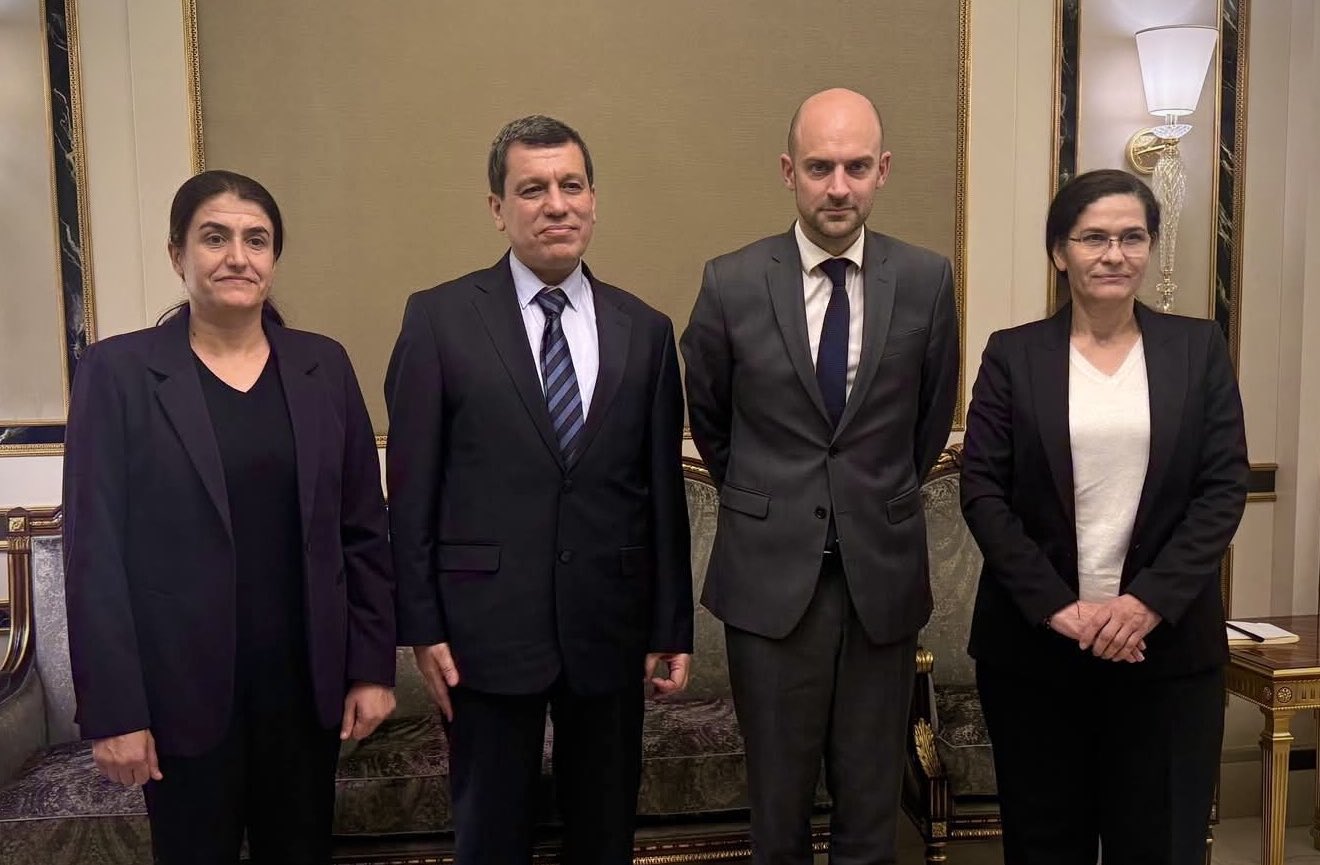
SDF commander Mazloum Abdi, along with DAANES co-chair of the Department of Foreign Relation Ilham Ahmed and YPJ commander Rohilat Afrin, visited Erbil and met with French Foreign Minister Jean-Noël Barrot to discuss the implementation of the January 29 agreement, focusing on combating ISIS, integrating military, and security forces. The delegation also met with Kurdistan Regional Government President Nechirvan Barzani and President of the Kurdistan Democratic Party Masoud Barzani, emphasizing the importance of adhering to the agreement and protecting Kurdish rights.
These developments underscore the pivotal role of the agreement between the SDF and Damascus in shaping the transition process. The success of the integration and coordination efforts on the ground will determine whether this phase leads to a sustainable political path for the Kurdish areas of northeastern Syria.

Abbas Abbas
Abbas Abbas is a journalist and photojournalist for The Amargi in Qamishli, northeastern Syria (Rojava). He has worked with Al-Youm TV and Ornina Media, and contributed reports and visual stories to local and international outlets, focusing on field coverage and the humanitarian realities of the region.