Turkish FM Signals Syria-Style Approach in Iraq, Baghdad Summons Ambassador
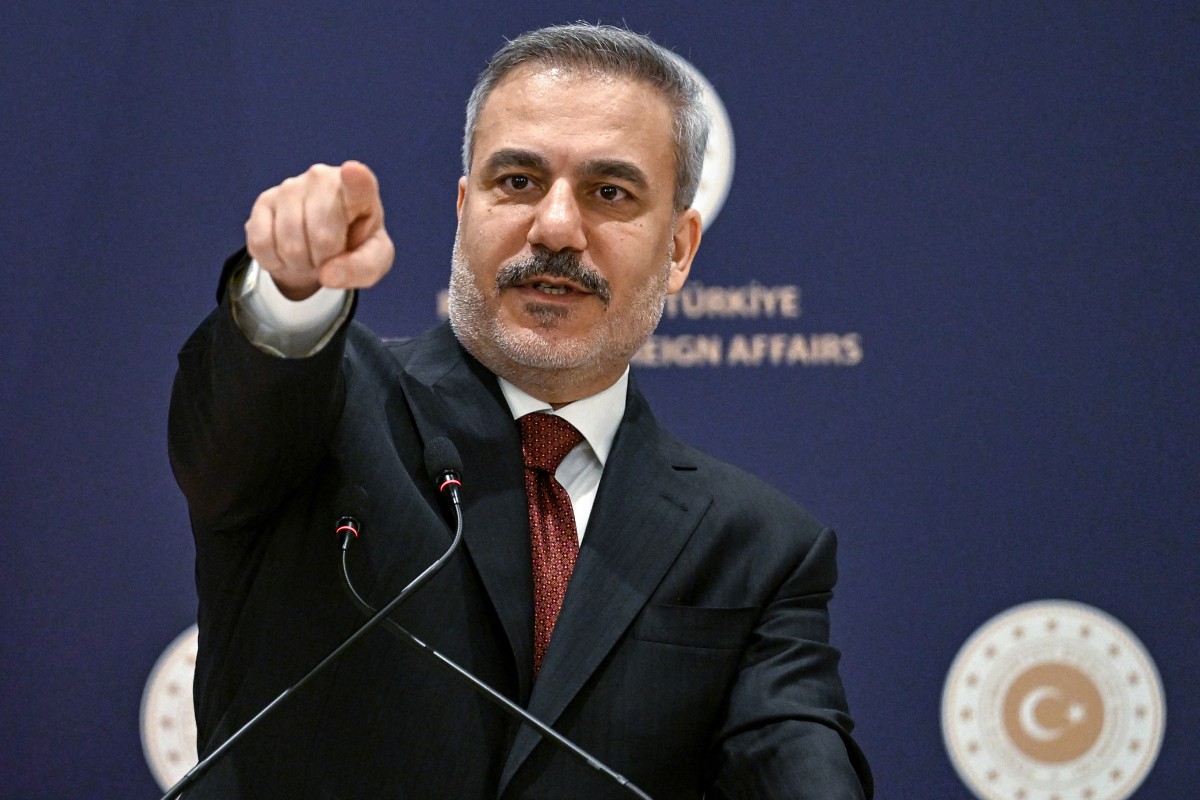
Turkish Minister of Foreign Affairs Hakan Fidan gestures during a press briefing in Istanbul, on January 15, 2026. (Photo by Ozan KOSE / AFP)
In a televised interview on February 9, Turkish Foreign Minister Hakan Fidan articulated Ankara’s regional security doctrine, touching on US-Iran tensions, Syria’s political transition, and Turkey’s approach to Iraq.
…when asked directly whether Turkey should acquire nuclear weapons, the Turkish FM declined to comment
Fidan warned against a potential US military strike on Iran, describing such a scenario as a “catastrophe” for the region that would risk uncontrollable escalation. Although he used a non-proliferation language on the nuclear issue, when asked directly whether Turkey should acquire nuclear weapons, the Turkish FM declined to comment.
Turning to Syria, Fidan expressed cautious approval of the January operations carried out by Damascus forces against the Kurdish-led autonomous administration in northern Syria. He reiterated Ankara’s long-standing opposition to any form of Kurdish self-rule, portraying the Syrian model as a “state within a state”.
At the same time, Foreign Minister Fidan emphasised that Kurds as a people are not equivalent to “the organisation”, referring broadly to Kurdish-led armed groups. This categorisation, increasingly prominent in official Turkish rhetoric, has been criticised for effectively denying Kurds the right to political representation or collective self-defence.
In practice, however, the distinction often collapses, as evidenced by several Turkish cross-border operations that have repeatedly targeted civilian infrastructure in Kurdish-administered areas. In October 2024, Fidan himself described such facilities as legitimate targets.
On Iraq, Fidan adopted a similarly assertive posture, implying that developments in Syria could be replicated across the Iraqi border. Referring to what he described as the “Iraq leg” of the issue, he suggested that once the Syrian file is settled, attention would shift to Iraqi territory, adding that “they” should “draw lessons” and make “smarter decisions”.
Fidan disclosed extensive and ongoing contact with the leadership of the pro-Iranian Popular Mobilisation Forces (PMF) militia
Fidan criticised Baghdad for not perceiving the presence of Kurdish armed groups as a national security threat, challenging Iraq’s sovereign security assessment and claiming that internal political balances inside Iraq are preventing decisive action.
Strikingly, Fidan disclosed extensive and ongoing contact with the leadership of the pro-Iranian Popular Mobilisation Forces (PMF) militia, stating that he had held approximately 20 meetings with its top commander and that such engagement continues to this day.
He outlined a scenario in which PMF forces would advance on the ground in Sinjar (Şengal), the historic homeland of the Yazidi community in northwestern Iraq, while Turkey conducts air operations, describing the outcome as a “two- or three-day” operation and saying that such coordination had been discussed “perhaps dozens of times”.
Interpreting these remarks as a veiled threat, Baghdad reacted sharply. Iraq’s federal government summoned the Turkish ambassador, Anıl Bora İnan, to the Foreign Ministry on February 11, condemning the remarks as interference in internal affairs. The Ministry of Foreign Affairs described Fidan’s comments as a breach of diplomatic norms and an unwarranted intrusion into Iraq’s domestic matters.
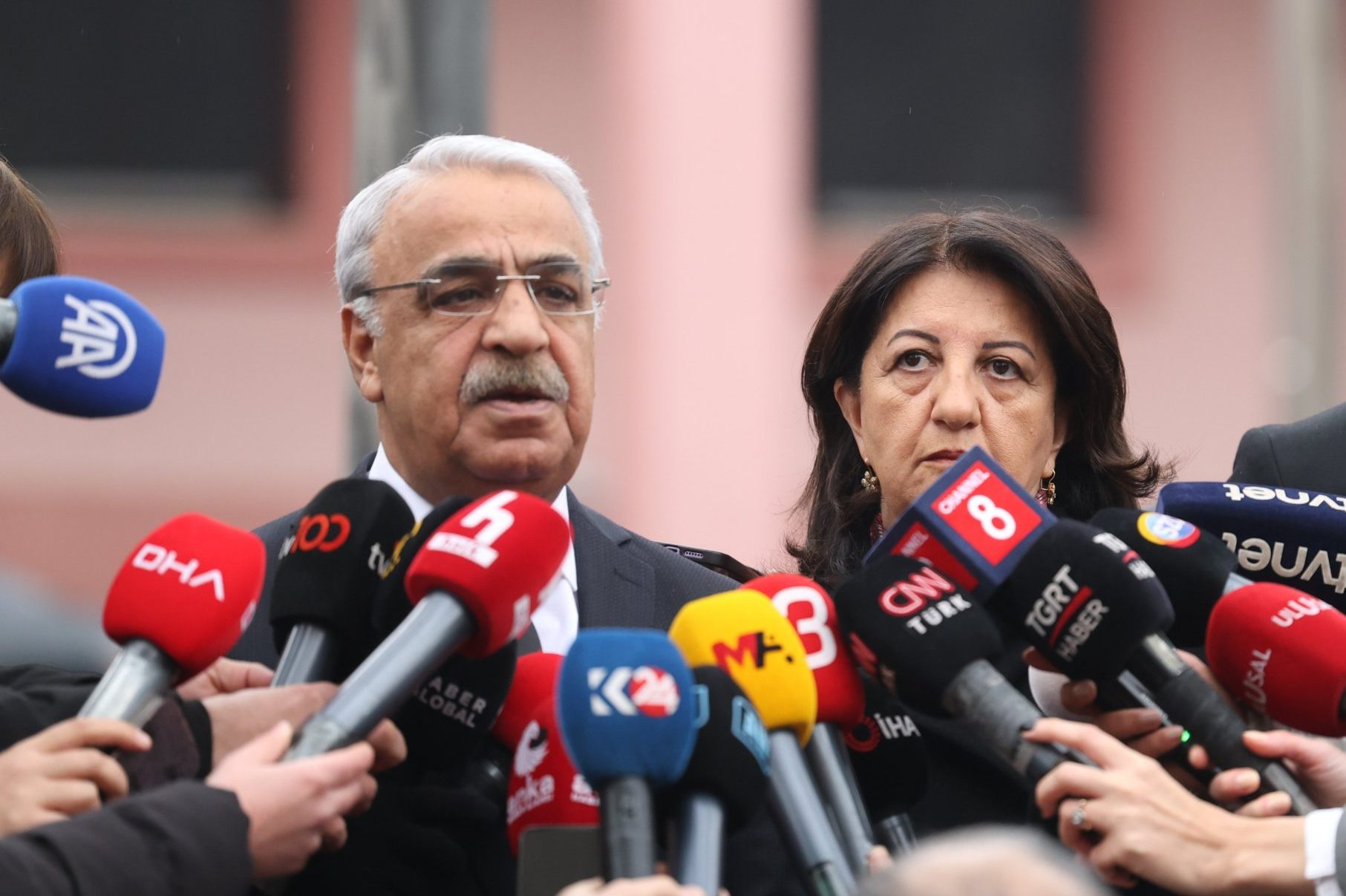
DEM) Party Co-chair Tülay Hatimoğulları described Fidan’s remarks as “extremely unfortunate”
The Undersecretary for Bilateral Relations, Ambassador Mohammed Hussein Bahr Al-Uloom, said the statements harmed long-standing friendly relations and violated diplomatic protocol. He stressed that Iraq, as a constitutional democratic state, cannot be equated with countries that have different political systems, and emphasised that issues such as Sinjar and other territories are strictly national matters handled in accordance with Iraq’s own priorities and mechanisms. Baghdad, he said, rejects any external attempt to impose solutions or exploit these files for political or military leverage.
Domestically in Turkey, criticism also emerged from the pro-Kurdish Peoples’ Equality and Democracy (DEM) Party. Co-chair Tülay Hatimoğulları described Fidan’s remarks as “extremely unfortunate”, arguing that such statements risked generating new tensions at a time when the country’s focus should be on parliamentary work and concrete steps toward a peaceful resolution of the decades-long Kurdish question.
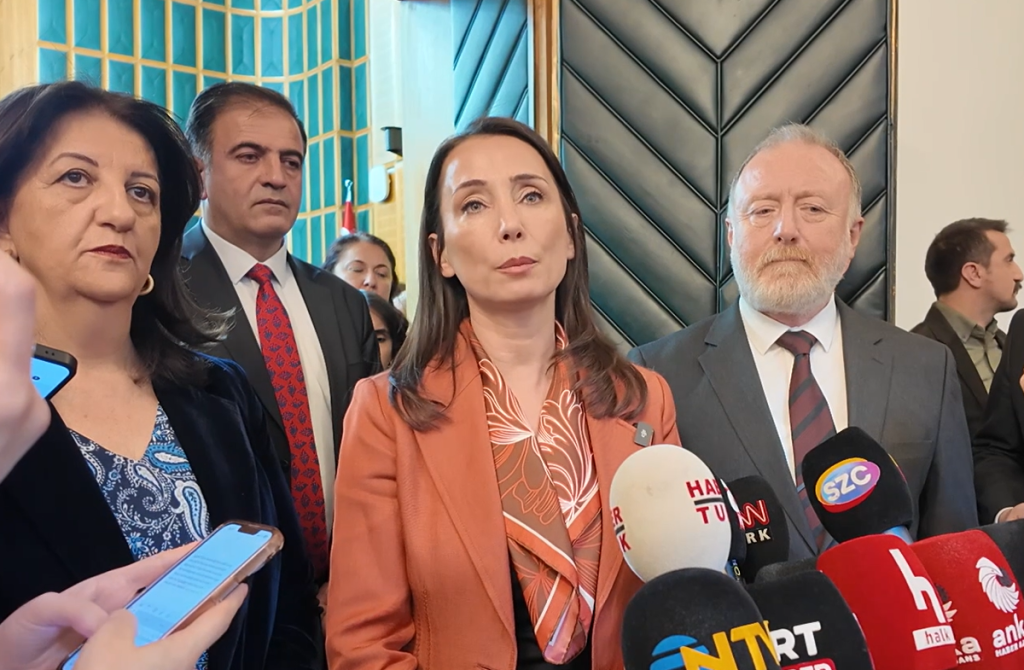
“It is as if [FM Fidan] is looking at the map and asking how new problems can be created, how new hurdles can be placed [as barriers to reconciliation],” she said. Hatimoğulları added that the remarks were not in keeping with the spirit of a peace process and called instead for more constructive steps to advance regional peace.

Serap Gunes
Serap Güneş is a freelance translator and writer based in Istanbul. She holds a PhD in International Relations and European Politics from Masaryk University, where her research focused on minority rights and EU–Turkey relations. Her work has appeared in both academic journals and independent media outlets.