UN Secretary-General Says Kurds Are “Victims of History” but Sidesteps Self-Determination Question
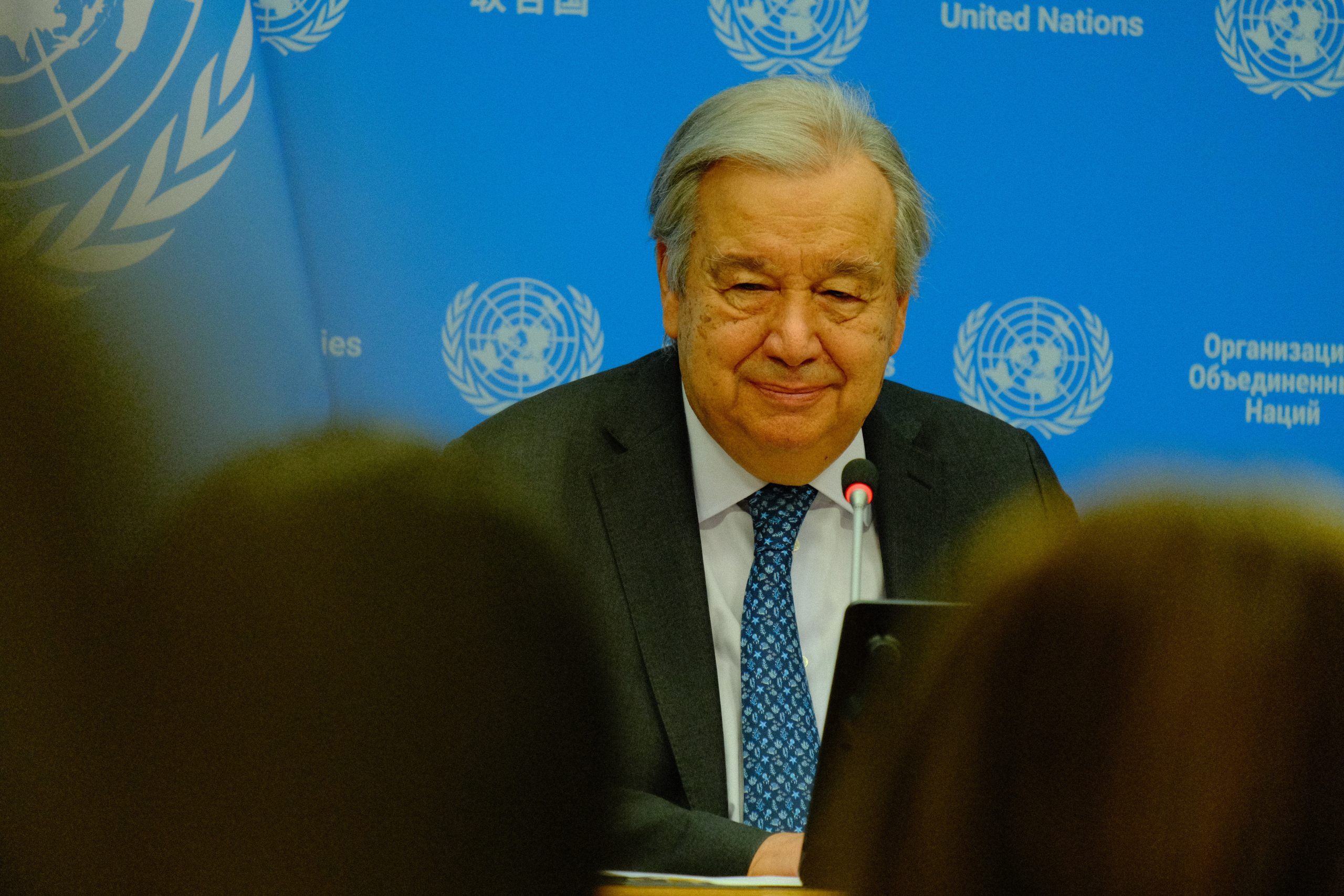
At a press briefing in New York, UN Secretary-General António Guterres described the Kurdish people as “victims of history” while avoiding a direct answer to a question on their right to self-determination raised by Sinan Tuncdemir, a correspondent for The Amargi.
Referring to Article 1(2) of the UN Charter and Article 3 of the UN Declaration on the Rights of Indigenous Peoples, Tuncdemir asked why the UN leadership has never issued a clear statement on the right to self-determination for the roughly 40 million Kurds living across Turkey, Syria, Iraq, and Iran. He questioned whether pressure from the states concerned has discouraged such a stance.
Guterres responded by shifting the focus to Syria, saying the UN’s priority is to create conditions in which all components of Syrian society feel their rights are respected and that they belong to the country as a whole. He did not address the legal question of self-determination.
When pressed again on the broader Kurdish issue beyond Syria, the Secretary-General acknowledged that “the Kurdish people have been victims of history.” He pointed to differing political contexts in the region, noting that Kurds are represented within democratic institutions in Iraq, while the situation in Iran is different. He also suggested that internal Kurdish divisions have contributed to the challenges they face.
Guterres concluded by stating that the United Nations is committed to defending the interests of Kurdish people “wherever they are,” without clarifying how this commitment relates to the internationally recognized right to self-determination.
The exchange underscored the tension between the UN’s acknowledgment of historical injustice against the Kurds and its continued reluctance to engage directly with their political rights under international law.

The Amargi
Amargi Columnist