Yazidis Fear ISIS Revival as Chaos in Syria Reaches Iraq’s Border
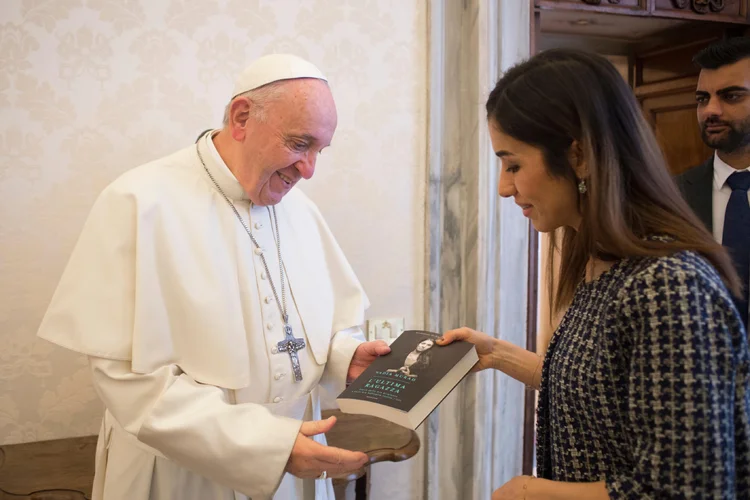
Nadia Murad gifts her book to the late Pope Francis | Picture Credits: Nadia Murad Initiative
“The trauma never left us,” Farhan Ibrahim, a Yazidi human rights activist, said over a WhatsApp call from Sinjar. “The people who committed genocide against us are now free again. Once more our people are afraid and preparing to flee.”
As fighting and political upheaval spike in Syria, a familiar dread is resurfacing across northern Iraq. For the Yazidi community, still living with the scars of the 2014 genocide, the collapse of order just across the border has revived fears that history could repeat itself.
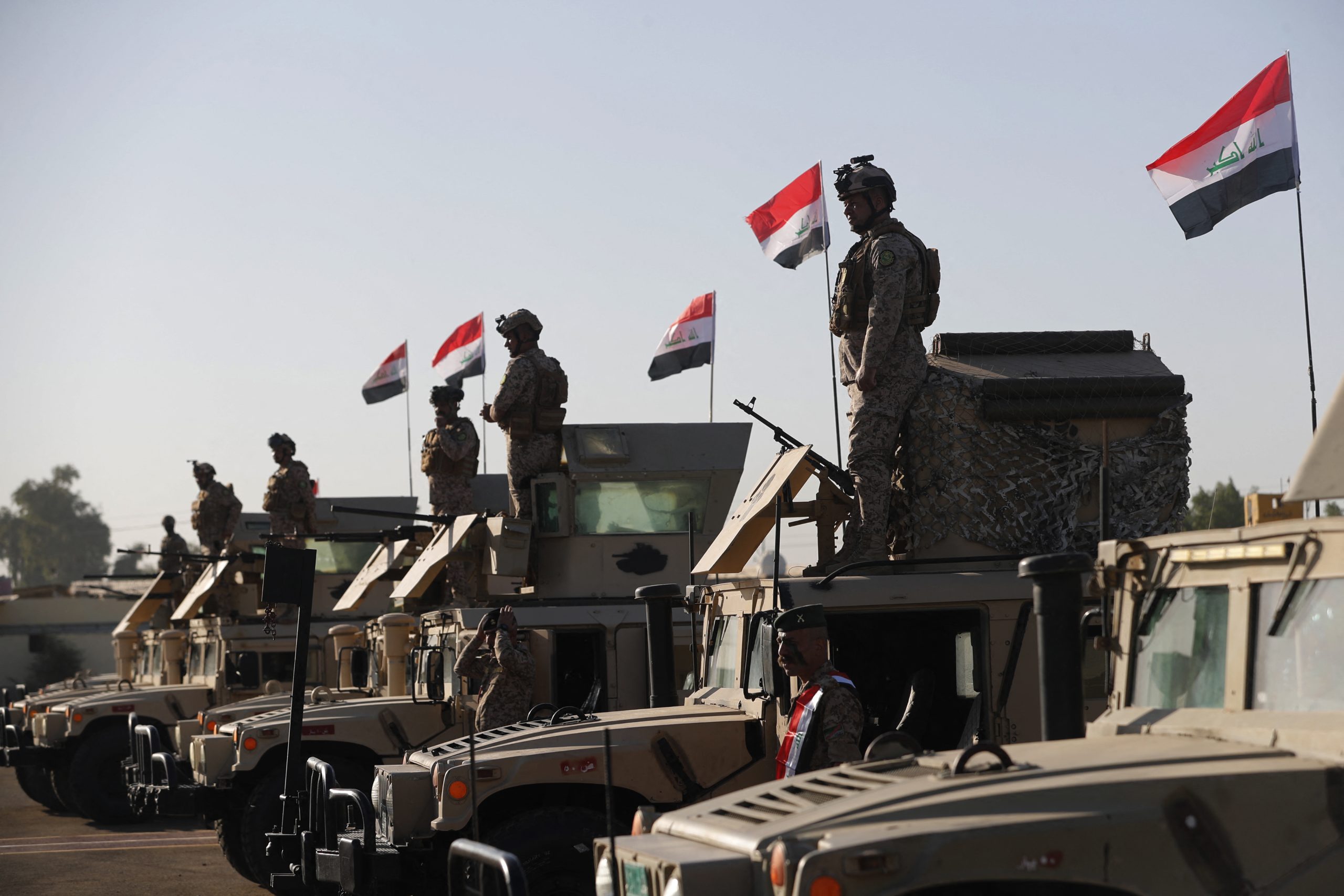
The anxiety is fueled by reports that thousands of Islamic State detainees have been released from prisons in northeast Syria amid renewed clashes and shifting control on the ground. Iraqi officials have responded by fortifying the border, deploying additional troops, increasing surveillance, and issuing repeated assurances that the frontier is secure. Yet among communities closest to Syria – particularly in Sinjar, Rabiaa, and the surrounding areas – those assurances offer limited comfort.
Farhan Ibrahim, the general director of the Youth Bridge Organization and Yazidi human rights activist, spoke to The Amargi via WhatsApp from Sinjar, describing a community once again gripped by fear: “After the United States abandoned the SDF, many families here began preparing to flee toward Duhok, including my own family. Ibrahim, who lost family members in the 2014 genocide, warned, “the same perpetrators are free again.”
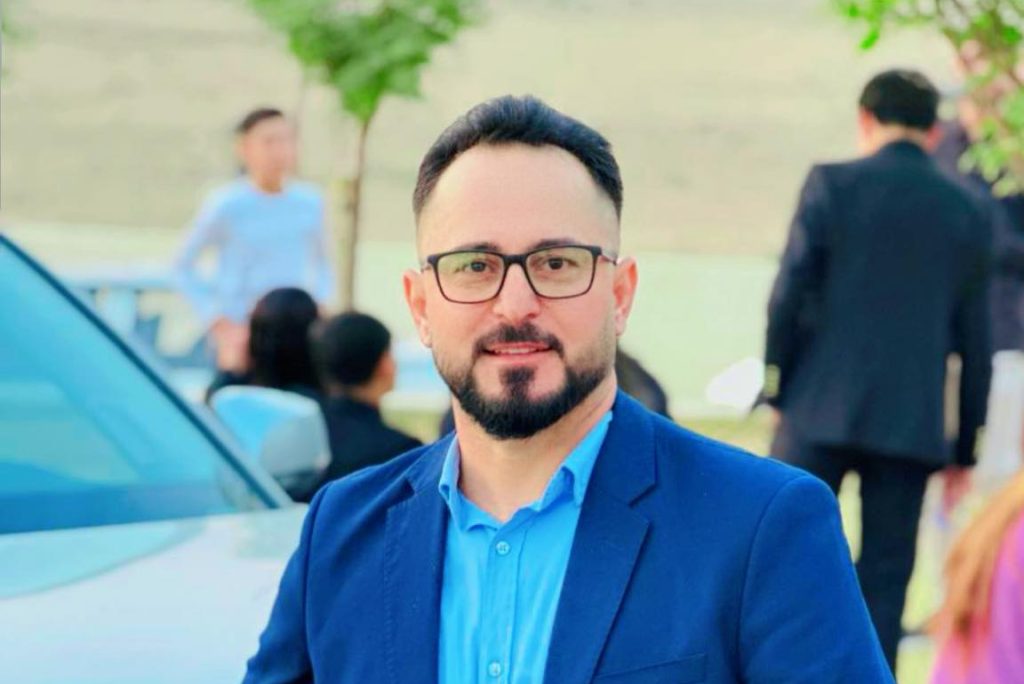
He said daily life in Sinjar has slowed to a standstill. Parts of markets have closed, and women and children, especially, are panicking, haunted by memories of the genocide. Despite the presence of Iraqi forces, the Popular Mobilization Forces (PMF), and Yazidi units near the border, the Yazidi community does not feel any sense of security: “We believed the SDF was strong too, more than 100,000 fighters, but they could not fight back because some tribes betrayed them, and the US and European countries support Syria. Today, people fear that betrayal could happen again.”
The same forces that committed genocide against us in 2014 are being released again, and the world is watching in silence.”
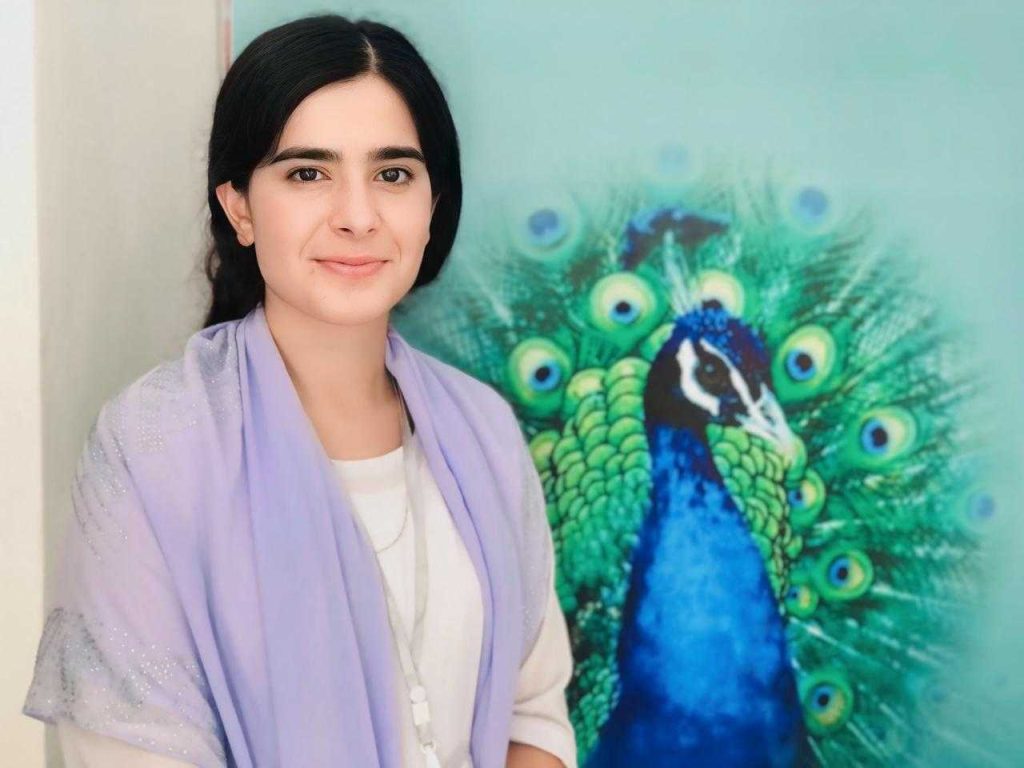
Via a WhatsApp call from Sinjar, Suham Shingal, a spokesperson for the Yazidi Women’s Freedom Movement’s diplomatic committee, emphasized the proximity of the threat, “The war has now reached the Iraqi border near Rabiaa and Sinjar Mountain. The same forces that committed genocide against us in 2014 are being released again, and the world is watching in silence.”
The developments come as Iraq’s Shiite-led government, deeply wary of Islamist jihadism, moves aggressively to prevent militants from slipping back into the country. Prime Minister Mohammed Shia’ al-Sudani has convened emergency meetings with military and Kurdish Peshmerga commanders, visited the border region in Anbar, and ordered that any movement threatening border security be met with force. Iraqi intelligence services have also announced arrests of senior ISIS operatives in northern provinces, underscoring officials’ concerns that dormant networks are reactivating.
“We cannot call this a transitional government,” she said. “It is essentially an ISIS government in another form. If these forces reach Sinjar, they will attack all Yazidis.”
Still, Yazidi leaders say the danger is existential. In 2014, after Iraqi and Kurdish forces withdrew, ISIS fighters swept into Sinjar and killed thousands of Yazidis, enslaving women and girls, and displacing an entire community. More than a decade later, thousands remain displaced, mass graves are still being exhumed, and justice for survivors has been slow and incomplete.
Shingal warned that the current turmoil in Syria mirrors the conditions that preceded the 2014 catastrophe. She accused Islamist factions now advancing in Syria, some backed by regional powers and tolerated by the international anti-ISIS coalition, of creating space for the terrorist group’s resurgence.
“We cannot call this a transitional government,” she said. “It is essentially an ISIS government in another form. If these forces reach Sinjar, they will attack all Yazidis.”
According to Yazidi activists, the threat is already visible. In Aleppo’s Kurdish neighborhoods of Sheikh Maqsoud and Ashrafiyeh, around 1,200 Yazidi families have reportedly been displaced. Community leaders say their fate remains unclear.
Meanwhile, the Syrian Arab Army – comprised largely of Islamist Hayat Tahrir al-Sham forces – taking over camps and prisons holding ISIS detainees has raised fears of an ISIS resurgence. Videos of Syrian army forces entering the notorious al-Hol camp show ISIS members and their families celebrating, while statements by the Syrian Democratic Forces highlight ISIS members within Syrian forces.
Farhan Ibrahim warned that ISIS has not disappeared but has merely returned under a different name. “People are not thinking about resistance,” he said. “They are thinking about escape. Our situation is very different from Rojava.” He said that Yazidi units have only light weapons, while the Syrian army, thanks to U.S. and European support, has advanced heavy weapons.
Mentioning the Yazidis in Aleppo, he said that the Yazidis in Syria are already paying the price, and the Yazidi community is “trying to bring them to the Kurdistan Region of Iraq before it’s too late.”
Murad Ismael, described events in Syria as “a Nakba for the Kurds and minorities,” arguing that Islamist rule would strip communities of political recognition and basic rights.
Those fears have been echoed by Nadia Murad, the Nobel Peace Prize laureate who survived being captured and abducted by ISIS. In a statement posted on X, she stated, “As Syria descends further into chaos, some ISIS detainees have already been freed, with thousands more still held in prisons at risk of collapse,” adding that communities in Iraq, especially near Syria, are “terrified of history repeating itself.”
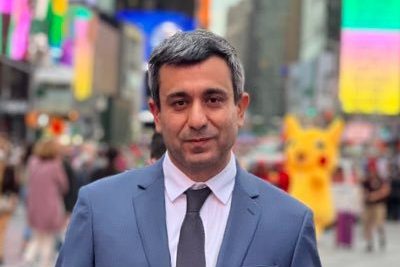
Another prominent Yazidi voice, Yazidi Member of Parliament and co-founder of the Sinjar Academy, Murad Ismael, described events in Syria as “a Nakba for the Kurds and minorities,” arguing that Islamist rule would strip communities of political recognition and basic rights. Yet he also pointed to resilience born of past trauma: “Yazidis came back stronger after 2014, Kurds came back stronger after Anfal and Halabja. Rojava will come back stronger, too.”
For many Yazidis, resilience now means self-defense. Due to the events of 2014, deep mistrust of foreign powers and local forces is prevalent in community statements. Yazidi armed groups, including local protection units, say they are preparing for any potential attack.
“From ages eight to eighty, our people are ready to defend themselves,” Shingal said, emphasizing Yazidis’ self-reliance. “We defeated ISIS once, and we will do so again, not only for ourselves, but to protect the world from this global threat.”
“States that acknowledged the genocide cannot now watch passively and recognize another one later.”
The sense of urgency has spilled beyond the region. On Wednesday, Yazidis, especially in Germany, collectively joined protests in support of Rojava, warning that the international community’s inaction risks enabling another genocide.
Fourteen countries have formally recognized the Sinjar genocide, Yazidi leaders note, but recognition alone is no longer enough.“States that acknowledged the genocide cannot now watch passively and recognize another one later,” Shingal said.

The Amargi
Amargi Columnist